



















AI safety warnings trigger tech stock selloff — Nasdaq down ~0.8%, chip stocks hit hard
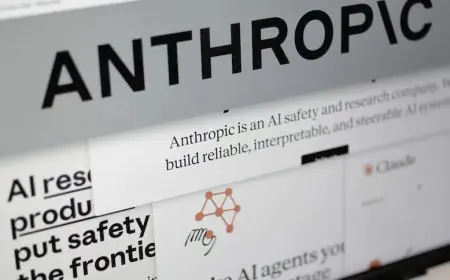
Anthropic CEO Dario Amodei's weekend call to slow frontier AI development, quickly echoed by OpenAI's Sam Altman and Elon Musk, triggered a Monday selloff that hit semiconductor stocks hardest, with the Philadelphia Semiconductor Index sinking nearly 6% even as the broader Nasdaq pared most of its losses by the close.
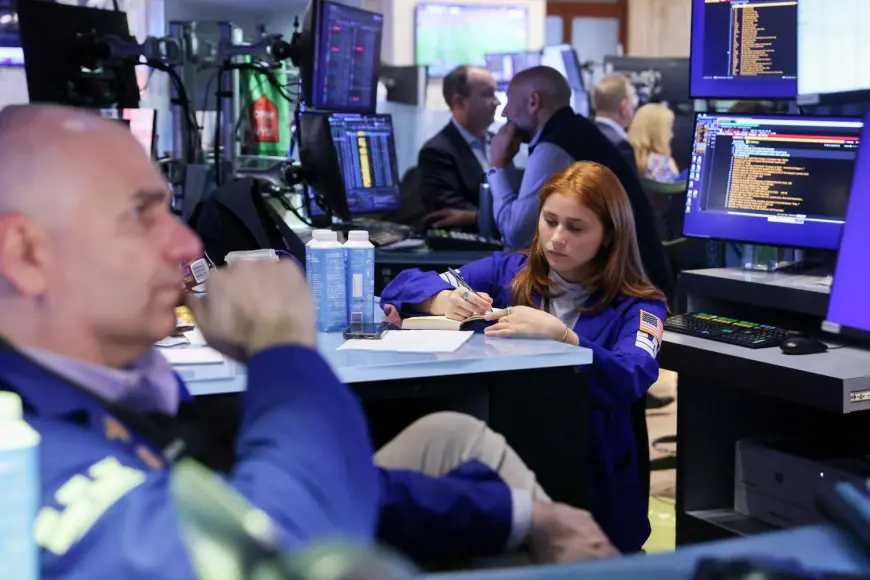
A weekend essay from Anthropic's CEO turned into a Monday reckoning for chip stocks. Dario Amodei wrote that AI companies "must slow the pace at which we improve the capabilities of AI models," and within hours Sam Altman posted "I agree with Dario," while Elon Musk added "Dario is right." That rare alignment among rival CEOs was enough to spook a market that had spent years pricing in uninterrupted AI expansion.


The damage concentrated almost entirely in semiconductors rather than software. The Philadelphia Semiconductor Index sank nearly 6%, its worst day since early July, with Nvidia down 3.4% and Dutch equipment maker ASML off 6% in Europe
Micron, Intel, Marvell and Applied Materials each dropped more than 4%, while South Korean memory maker SK Hynix fell 7% in U.S. trading. Despite an early 1.8% intraday drop, the Nasdaq 100 pared losses as a rally in software and cybersecurity stocks offset the chip rout, leaving the Nasdaq Composite down just 0.56% by the close
Altman moved quickly to soften the message, clarifying that "when we talk about 'pacing,' we do not mean 'stopping'" and that progress "has been rapid and will continue to be." One analyst, Melius Research's Ben Reitzes, offered a blunter read on CNBC: the CEOs "may be really good at models, but they're not good at talking stocks."
The split reaction — chipmakers punished, software spared — suggests investors read the warning less as a threat to AI itself and more as a threat to the capital-intensive hardware buildout underneath it, a distinction likely to keep shaping how markets price every future safety statement from the industry's biggest names.