







































Google Launches New Pixel Devices With Gemini AI at the Center of the Experience
Google has unveiled its latest Pixel 10 series and Pixel Watch 4 with Gemini AI deeply integrated across the experience, signaling a fundamental shift from hardware-first to AI-first consumer devices.
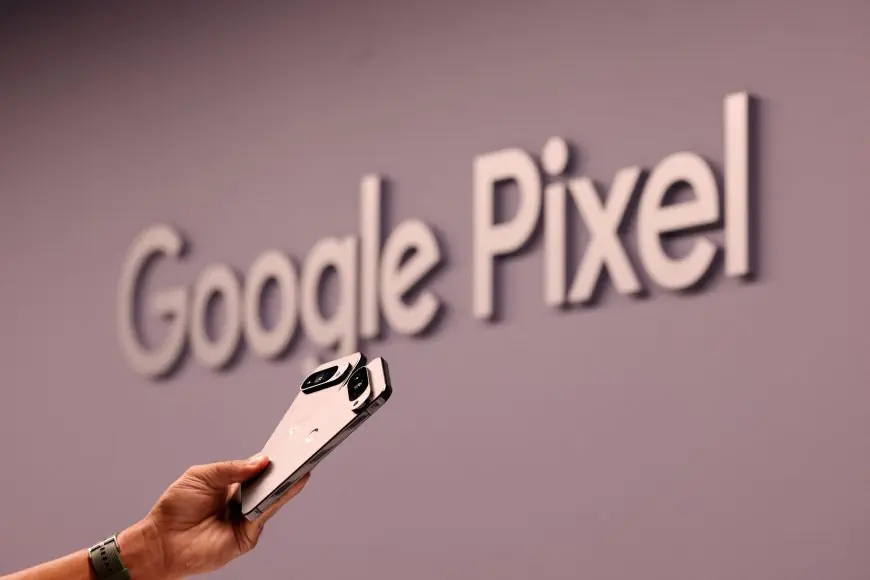
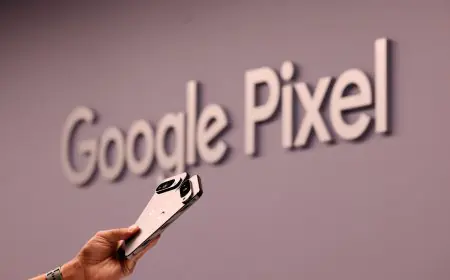
Google just made its boldest statement yet that the future of consumer hardware is artificial intelligence. At its annual Made by Google event on August 13, 2026, the company unveiled the Pixel 10, Pixel 10 Pro, and Pixel 10 Pro Fold, alongside the Pixel Watch 4—all built around a simple but ambitious premise: the device is the AI, and the AI is the device.


The new lineup represents the culmination of years of work bringing Google's Gemini models closer to the hardware, with the company now embedding AI so deeply that it's becoming indistinguishable from the user experience itself.
As Google's hardware chief Rick Osterloh put it: "We're not building phones with AI features. We're building AI experiences that happen to live in phones."
The centerpiece of this strategy is the Tensor G5 chip, Google's latest custom silicon designed from the ground up to run advanced AI models locally. The chip powers features like Gemini Live, a hands-free conversational AI that can handle complex, multi-step tasks; Add Me, an AI tool that lets users insert themselves into group photos without manually editing; and Pixel Studio, which generates images entirely on-device. Perhaps most striking is the shift in how Google positions these capabilities.
The Verge notes that Google is now actively downplaying raw specs in favor of AI-driven functionality, a bet that consumers care more about what the device can do than what's inside it. For enterprise users, the Pinpoint feature—which uses AI to locate and summarize information across documents, emails, and screenshots—could be a game-changer for productivity.
Google is making a strategic bet that AI will be the primary driver of hardware sales, not the other way around. The company is positioning Gemini as the operating system of the future, with the Pixel line serving as the flagship showcase.
This puts Google in direct competition with Apple's AI ambitions and Samsung's Galaxy AI, but with one key difference: Google controls both the hardware and the foundational AI models.
The company is also using the Pixel launch to expand its AI ecosystem, integrating Gemini across Google's suite of services. CNBC reports that the Pixel 10 series marks "the most significant AI push in Google's hardware history," while TechCrunch notes the Pixel 10 Pro Fold represents a "new category of AI-first foldable devices." The question now is whether consumers will embrace this vision—or whether the company's AI-first approach outpaces what users actually want.