
































Samsung Galaxy Watch AI Could Transform Medical Emergency Detection
Samsung has unveiled a groundbreaking AI-powered health monitoring feature capable of predicting fainting episodes up to five minutes before they occur. Backed by a world-first clinical study showing 85% accuracy, the innovation could mark a major leap forward for wearable healthcare technology.


Samsung Pushes Wearable AI Into A New Medical Era
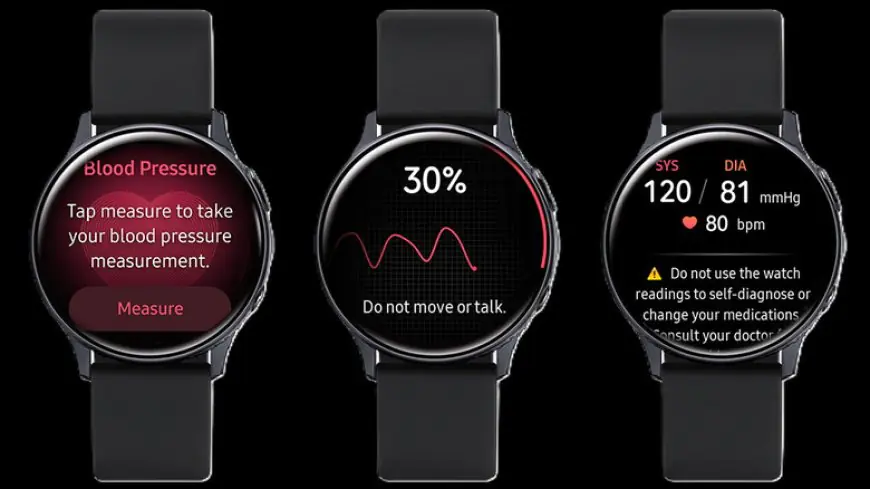
Samsung has introduced what researchers are calling a major breakthrough in wearable healthcare technology after revealing that the Galaxy Watch can now predict fainting episodes several minutes before they happen. The announcement follows a clinical study showing the AI-powered system achieved an impressive 85% accuracy rate in detecting warning signs linked to sudden fainting incidents.
The development could significantly change how smartwatches are used in healthcare, especially for individuals dealing with cardiovascular conditions, low blood pressure, neurological disorders, or unexplained dizziness. Instead of simply tracking fitness or sleep, wearable devices are increasingly evolving into real-time health monitoring systems capable of identifying potentially dangerous medical events before they occur.
How The AI Prediction System Works
According to Samsung, the Galaxy Watch uses a combination of artificial intelligence, heart-rate variability analysis, blood circulation monitoring, and biometric pattern recognition to identify subtle physiological changes that often appear before fainting episodes. Once unusual patterns are detected, the watch can alert users several minutes in advance, giving them enough time to sit down, seek help, or avoid dangerous situations.
The technology was reportedly validated through a clinical study involving patients with recurring fainting conditions. Researchers found the AI system was able to detect high-risk episodes with remarkable consistency, particularly when analyzing rapid cardiovascular fluctuations that are difficult for humans to recognize in real time.
Industry experts believe this could become one of the most important healthcare advancements in consumer wearables in recent years. Reports published by Reuters suggest AI-powered health monitoring is quickly becoming a major battleground among leading technology companies competing to expand their influence in digital healthcare.
Why AI Wearables Are Becoming More Important
The demand for smarter health-tracking devices has accelerated globally as consumers look for proactive healthcare solutions rather than reactive treatment. Wearable devices equipped with AI are now being designed to detect irregular heart rhythms, stress levels, sleep disorders, oxygen fluctuations, and even early signs of chronic illness.
Samsung’s latest innovation reflects a broader industry shift toward predictive healthcare. Instead of waiting for symptoms to become severe, AI systems are increasingly being trained to identify warning patterns early enough for preventive action. Analysts believe this approach could eventually reduce emergency hospital visits and improve patient safety for millions of people worldwide.
The Galaxy Watch announcement also highlights how artificial intelligence is reshaping the future of consumer electronics. Smartwatches are no longer viewed as simple accessories for notifications and fitness tracking. They are becoming sophisticated health platforms powered by machine learning, biometric sensors, and real-time data analysis.
What This Means For The Future Of AI Healthcare
Medical professionals say predictive wearable technology could become especially valuable for elderly individuals and patients with recurring health complications. In situations where sudden fainting can lead to falls, injuries, or life-threatening emergencies, even a few minutes of warning could make a critical difference.
Samsung’s research may also encourage broader adoption of AI-assisted healthcare devices across hospitals, insurance programs, and remote patient monitoring systems. According to coverage from Bloomberg, technology companies are increasingly investing in AI-driven medical tools as healthcare becomes one of the fastest-growing sectors for artificial intelligence applications.
While experts caution that wearable AI systems should not replace professional medical diagnosis, the technology represents another major step toward personalized healthcare powered by intelligent devices. As AI continues to improve, wearables like the Galaxy Watch may soon become essential tools for early medical detection and everyday health protection.