





























Why the DOJ Is Investigating Nvidia's Licensing Deal With Groq
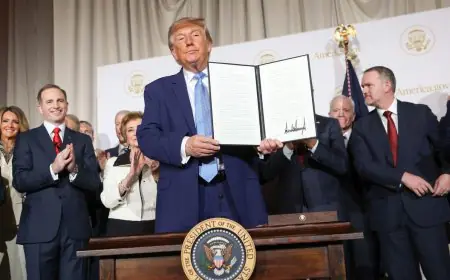
The Justice Department is examining whether Nvidia structured its $20 billion licensing arrangement with AI chip startup Groq to sidestep formal antitrust review, after the deal brought Groq's CEO and COO onto Nvidia's team while leaving Groq nominally independent.
Nvidia's playbook for absorbing rivals without technically buying them just hit a legal wall. The Justice Department is investigating whether Nvidia structured its licensing agreement with AI chip startup Groq to avoid antitrust review, examining a deal announced in December where Nvidia obtained rights to Groq's inference chip technology while Groq remained technically independent.


The structure is what makes this a genuine legal puzzle rather than an obvious violation. Nvidia took a non-exclusive license to Groq's technology and hired several top executives, including CEO Jonathan Ross and COO Sunny Madra — but never actually purchased the company, meaning no merger filing was ever required. Key details investigators are weighing:
- The deal's value is reported anywhere from $17 billion to $20 billion depending on the source, with the DOJ having sent Nvidia a formal request for information
- Nvidia used a nearly identical structure with AI startup Poolside, paying $6 billion to license its "model factory" and hiring 109 staff
- Senators Elizabeth Warren and Richard Blumenthal have already pressed Nvidia directly, calling the arrangement a takeover that could entrench its dominance in AI chips
Nvidia's defense is straightforward: the license is non-exclusive, Groq still exists as a company, and its engineers remain free to leave. All of that can be true while Groq is functionally no longer positioned to compete the way it once was — and that gap is likely to be the crux of the case.
Forcing Nvidia to unwind the deal is considered unlikely even if wrongdoing is found; fines are the more probable outcome. But with more than $100 billion in similar "reverse acquihire" arrangements reportedly threaded through the AI industry, this investigation could end up defining whether the entire deal structure survives regulatory scrutiny going forward.