














Alibaba Plans To Charge Major Users For Its Next Open Source AI Model
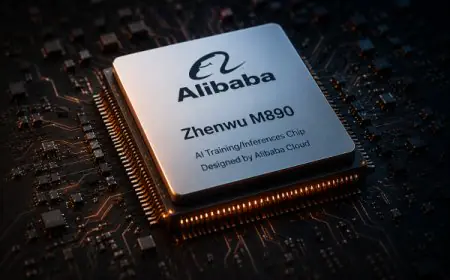
Alibaba is reportedly preparing to ask major commercial users of its upcoming Qwen open-source AI model to share a portion of their revenue. The move mirrors a similar strategy from rival Moonshot and signals a significant shift in how Chinese AI labs are monetizing their powerful open-weight offerings.
Alibaba is preparing to alter the economics of its flagship artificial intelligence models. The Chinese technology giant plans to ask major users of the next version of its Qwen open-source AI model for a share of the revenue they generate from it, according to a Reuters report citing two people familiar with the company's strategy.

The plan, expected to be announced next week alongside the release of the Qwen3.8-Max model weights, would mark the first time Alibaba has sought payment from developers running its open-source software in their own data centers.
Alibaba's Qwen3.8-Max, unveiled on August 3, is an open-weight model featuring 2.4 trillion parameters and a one-million-token context window. While U.S. developers like OpenAI, Anthropic, and Google have closed-source models, Chinese firms have aggressively released open-source models nearly as capable.
To date, Alibaba has only charged for use of its models when hosted on its own cloud platform. The new revenue-sharing model is a response to the enormous costs of training these models and the fierce price war among Chinese AI firms.
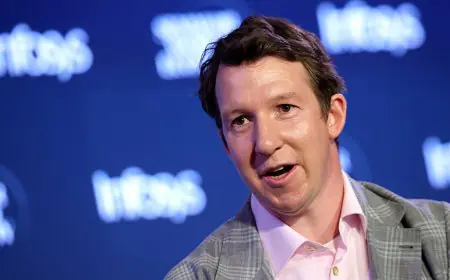
"You pay for collaboration with these open-weight model labs to make sure that you're optimizing your deployment. You pay for getting early access for the next revision of the model." – Paddy Srinivasan, CEO of DigitalOcean Holdings
Alibaba's strategy mirrors a model pioneered by its Chinese rival Moonshot. The licensing terms for Moonshot's Kimi K3 model require anyone offering the model as a service and generating more than $20 million in annual sales to negotiate a commercial agreement, with Moonshot seeking a revenue share of up to 30%. Alibaba's specific revenue-sharing rate remains unclear, as discussions are ongoing.
The commercial stakes are visible in token pricing. Qwen3.8-Max costs about $6 per million output tokens, compared with $50 for Anthropic's Claude Fable 5, according to listed prices.
The cost gap matters because AI agent workflows require repeated tool calls and long code generation, making token economics decisive for commercial adoption. Chinese open-source models have already gained significant traction among global developers, with DeepSeek V4 Flash being the most-used model on OpenRouter's weekly leaderboard.
As Chinese AI labs converge on revenue-sharing models, the era of completely free, commercial-grade open-source AI may be drawing to a close, ushering in a new phase of monetization for the world's most powerful language models.