






























OpenAI Hires Ex-Army Secretary Dan Driscoll Two Months After He Quit the Pentagon
OpenAI has hired former Army Secretary Dan Driscoll in a newly created national security modernization role, just two months after he resigned amid reported tensions with Pete Hegseth. Here is what the job covers and what is still unexplained.
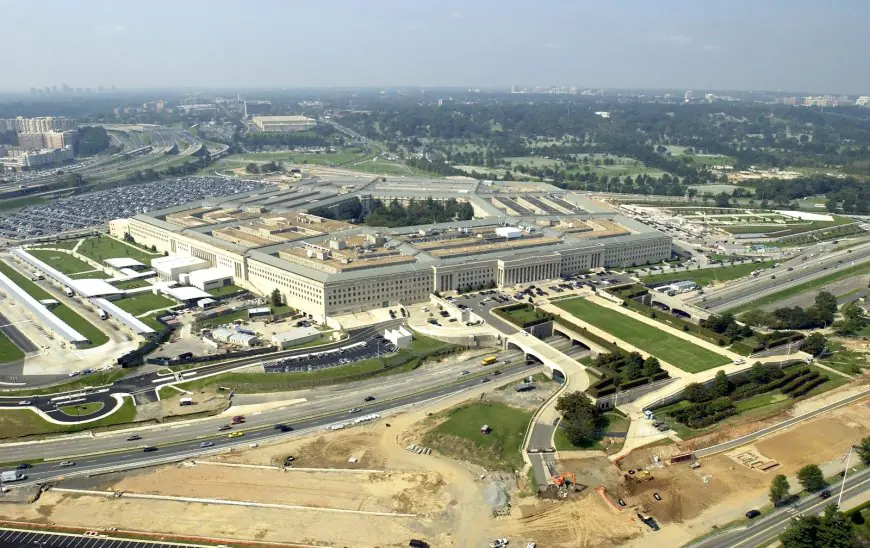
The Army's top civilian walked out of the Pentagon at the end of August. On Monday, OpenAI gave him a desk.


OpenAI says it has hired Dan Driscoll, the 26th Secretary of the Army, as senior counselor for national security modernization. OpenAI calls it a newly created role. According to OpenAI's announcement, he will work with senior leadership and outside partners on how advanced AI can strengthen national and cyber security, with a particular focus on helping US allies adopt it responsibly. He will also help OpenAI teams understand what national security institutions need.
That last part is the tell. OpenAI is not just buying a name. It is hiring someone who spent 18 months running a service of nearly one million active, Guard and Reserve soldiers, per the company's own bio, and who can translate between a Pentagon procurement office and a San Francisco product team.
"National security requirements are changing faster than at any time in the past fifty years. This technology will help them keep pace by cutting through paperwork, making sense of more information, and getting the right answer to the right person faster." Dan Driscoll, in OpenAI's announcement
Sam Altman framed the hire in terms of geopolitics. The US, he said, has "an extraordinary opportunity to work with other countries to spread the adoption of democratic AI," and Driscoll will help strengthen American leadership in the technology. OpenAI says the role builds on its Daybreak program, which it describes as work with allies and partners to strengthen cyber resilience and protect essential services.
A Résumé Built for This Job
Driscoll describes himself as a third-generation Army veteran. CNBC reports he is an Iraq war veteran who pushed Army modernization, including wider access to drone and counter-drone technology among US allies. OpenAI notes he also served as Acting Director of the ATF. Reuters adds that he gained prominence when President Trump tapped him to take part in talks with Moscow and Kyiv over the war in Ukraine, an unusual assignment for an Army secretary. CNBC notes he met Ukrainian President Volodymyr Zelenskyy in Kyiv in November 2025 to discuss a US-proposed peace plan.
The exit is the other half of the story. Driscoll submitted his resignation on August 31, according to DefenseScoop and Reuters, after months of reported tension with Defense Secretary Pete Hegseth. AP reported that no reason was given when the White House announced the departure, and Rolling Stone says Driscoll will not discuss his private conversations with Trump or Hegseth. Driscoll told Rolling Stone it is unfair to describe the relationship so flatly, and that the two probably agreed on more than half of things. The Pentagon's chief spokesman called that magazine's wider account "fake news." We can say the friction was widely reported. We cannot say what caused it, and nothing in the OpenAI announcement addresses it.
Nor do the announcement or the coverage we reviewed tie the hire to any Pentagon contract, and we found no critic on the record about this specific appointment yet. That could change. Hiring a recent senior defense official into a company that sells AI is the kind of move watchdogs tend to scrutinize. OpenAI has been here before: it put former NSA director Paul Nakasone on its board in 2024, and Responsible Statecraft called that a case of the defense-to-industry revolving door.
OpenAI pitches "democratic AI" and responsible use. Its new counselor's job is to help governments and militaries put the technology to work. Those aims are not contradictory, but the tradeoffs between them are what researchers elsewhere are arguing about. Our earlier reporting on Google DeepMind researchers quitting over military AI controls shows how raw that debate already is.
For now, the facts are simple. A former Army secretary who left Washington amid reported feuding is now OpenAI's go-between for national security, with allies as his stated focus. What he actually does, and who he does it for, will say more than the title.