








































Meta’s Massive AI Spending Is Worrying Investors Despite Strong Business Growth
Meta beat revenue forecasts, but a $135 billion to $145 billion spending plan and its first negative quarterly free cash flow in years rattled investors. Here is what the numbers mean for the AI race.
Meta just posted a quarter most companies would celebrate. Revenue climbed 26% to $64.6 billion, comfortably ahead of Wall Street's forecast of about $63.4 billion. Yet the stock still slid, falling about 3% in premarket trading on Thursday before deepening to roughly 6% to 7% during the session.


The reason sits further down the page. Meta now expects 2026 capital expenditure of $135 billion to $145 billion, and investors are asking a blunt question: when does all this AI spending start paying for itself?
The Cash Flow Squeeze Behind the Selloff
The sharpest number is free cash flow. Meta spent $34.91 billion on infrastructure in the quarter, more than the $32.79 billion its operations generated, which left free cash flow at negative $2.12 billion. Unlike Alphabet and Microsoft, Meta has no large cloud business to share the bill, so advertising alone carries the build-out. It is also the second increase to its spending floor since April, when the range started at $125 billion.
Why Some Investors Are Staying Calm
Not everyone is running for the exits. Several signals give the bulls something to hold onto:
- Muse is gaining traction. The consumer AI agent has passed 10 million North American users, and Meta expects AI to start producing additional revenue in 2027.
- Ads are still booming. Ad impressions rose 10% and the average price per ad climbed 14%.
- A new funding route. Non-voting Class C shares arrive in January 2027, letting Meta raise capital without diluting Mark Zuckerberg's voting control.
- The catch: some enterprises are restricting Muse's access over security concerns.
For anyone watching the wider market, this is a turning point. The question is shifting from how much a company is willing to invest in AI to how soon that investment shows up in cash.
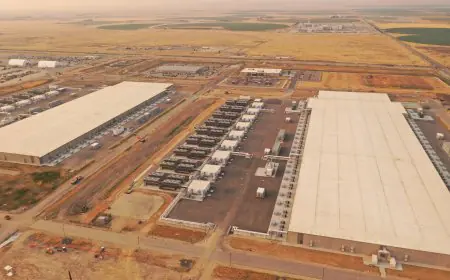
Meta has been “pouring money into chips and data centers” to compete with OpenAI and Anthropic, Reuters reported.
Meta has said its newer AI bets will take longer to deliver returns than its core advertising business, while legal pressure adds weight, including a $25 billion New Mexico penalty it plans to appeal. Expect investors to track three things closely: Muse monetization, the free cash flow trend and the 2027 spending plan.