






























Judge Tells xAI Its Gas Turbines Are Not Mobile and the NAACP Suit Rolls On
A federal judge in Mississippi refused to dismiss the NAACP Clean Air Act suit over the gas turbines powering xAI data centers, rejecting the claim that the turbines are mobile. It is a ruling that the case proceeds, not a finding that xAI broke the law.
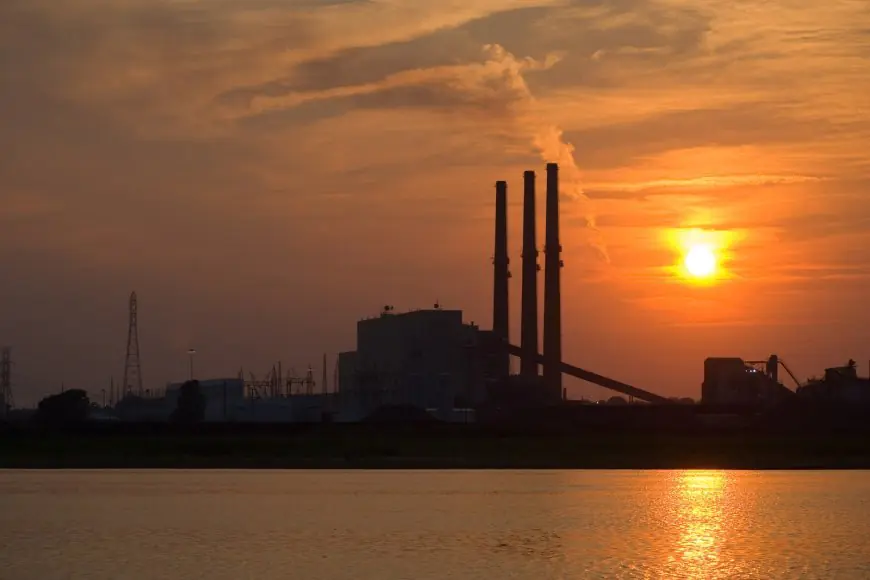
xAI wanted a federal judge to see its gas turbines as mobile equipment, the kind of thing that rolls onto a site and needs no air permit. The judge did not buy it. On Friday, October 30, the U.S. District Court for the Northern District of Mississippi denied xAI's motion to dismiss the NAACP's Clean Air Act lawsuit, and the case now moves toward the evidence.


Be clear about what this is. It is a procedural loss, not a verdict. No court has found that xAI broke the law, and the pollution claims remain the plaintiffs' allegations. But the reasoning matters, because the arguments xAI lost were the ones that could have ended the case before anyone looked at a turbine.
The suit, filed April 14 by the NAACP and its Mississippi State Conference, is represented by the Southern Environmental Law Center and Earthjustice. According to the court's earlier opinion, it targets what the filing calls the Colossus Gas Plant in Southaven, Mississippi, run by X.AI Corp. and a subsidiary, MZX Tech. The plaintiffs allege the gas-fired turbines operated without the required permits. They want an order forcing xAI to operate within the Clean Air Act, plus civil penalties of up to $124,426 per day per violation.
Turbine counts differ by outlet. TechCrunch quotes SELC alleging at least 35 turbines. CNBC reports 27 in Southaven. The allegation is the same: no air permit.
Two arguments, two rejections
Lawyers for xAI, now owned by SpaceX, argued in a June motion that the turbines were mobile and therefore exempt from permitting. They also argued that the NAACP had no right to sue under the Clean Air Act and that citizen suits are unconstitutional, according to CNBC.
Judge Debra M. Brown rejected the lot. As quoted by the plaintiffs, she wrote that "because the Plant is not a 'mobile source' according to the federal regulations...the Plant was not (and is not) exempted from permitting requirements under the Clean Air Act." SELC reads that as covering even so-called temporary turbines. That is the group's interpretation.
"Because citizen suit plaintiffs sue on their own behalf, in their own name, and seek penalties that redress harm to themselves, they are not exercising the federal government's executive power." Judge Debra M. Brown, U.S. District Court for the Northern District of Mississippi
That line guts the constitutional theory, and its reach goes beyond one data center. Had citizen suits fallen, communities near any big polluter would have lost a tool for when regulators stay quiet.
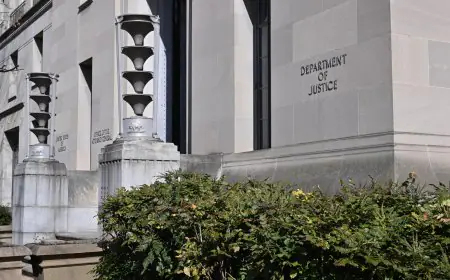
There is a political thread too. In an October 19 opinion, the same judge let the Justice Department intervene on behalf of the EPA but refused to let it unilaterally dismiss the suit. The court record shows xAI responded in support of the government's request to pause the case while it appealed. The Fifth Circuit denied that stay, SELC says. Earthjustice calls the federal effort an attempt to shield xAI. I have not seen a Justice Department statement on the latest ruling.
The health claims are the plaintiffs' too. SELC says the plant could emit more than 5,000 tons of nitrogen oxides, 400 tons of fine particulate matter and 47 tons of formaldehyde a year, and links those pollutants to asthma and heart disease. Those are an advocacy group's figures, not measured results.
"There is no massive loophole in the Clean Air Act that will allow Elon Musk's company, xAI, to avoid accountability for illegally pumping pollution into its neighbors' backyards." Laura Thoms, Director of Enforcement, Earthjustice
SpaceX did not immediately respond to requests for comment from TechCrunch or CNBC, so xAI's side is missing here. The NAACP's request for a preliminary injunction, which would halt plant operations until permits are in place, is still pending, per SELC.
The timing is awkward for the industry. Data centers are drawing more public suspicion, a theme we covered when Big Tech began offering host towns money and fewer secrets. A court telling an AI company that its power plant is not a loophole is the kind of ruling that shapes how the next site gets built.