




























Canva’s New AI Image Generator Could Change How People Create Digital Content
Canva has launched Canva Craft, its first in-house AI image model, built to plan layouts, render readable text and cut costs. Here is what it means for creators, marketers and small businesses.
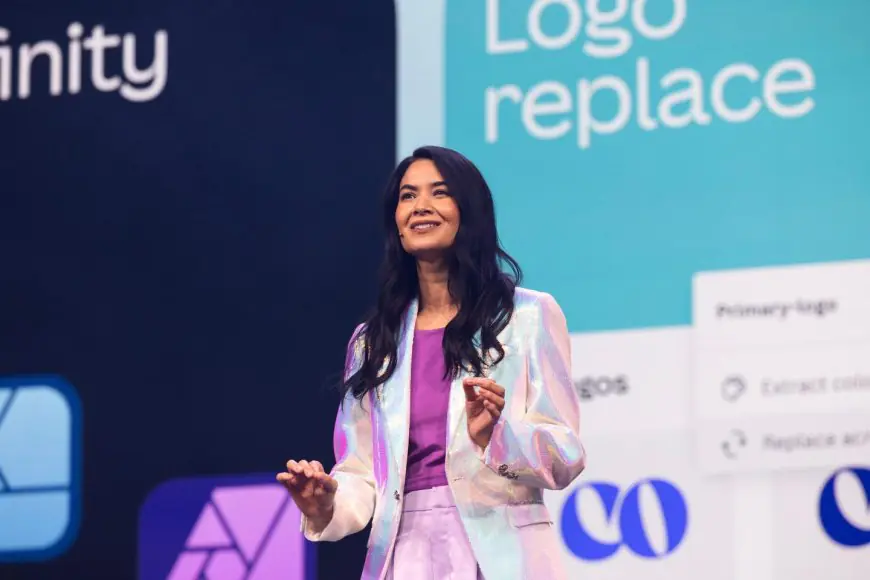
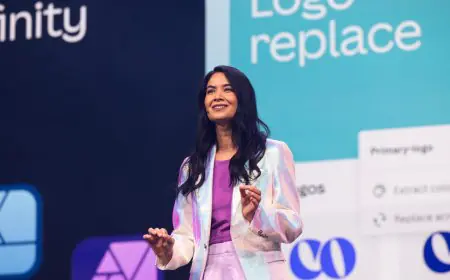
Canva has spent years helping people design without touching Photoshop. Now it wants to generate the pictures too. On October 22, the design giant launched Canva Craft, its first image-generation model, built from scratch by its in-house Canva Research lab.


The company says it improves creative output and customization while keeping costs down, and it arrives in a market where Google, OpenAI, ByteDance and Meta already compete. For bloggers, marketers and small business owners, the real question is simple: will this finally produce images you can use without an hour of cleanup?
How Craft Thinks Before It Draws
Most image models paint pixels straight from a prompt. Craft works in two stages. First it plans the composition, deciding where objects sit, how large they are, what the visual hierarchy looks like and what any text should say.
A separate rendering stage then produces the picture. Canva says this delivers sharper details, more legible text and precise edits that leave the rest of the image untouched.
It was also trained on millions of human-made templates such as posters, menus and infographics rather than mostly photographs, which is why Magic Layers can convert its output into editable designs.
What Creators and Small Businesses Get
Here is what matters in practice:
- Ready-to-use sizes. Output reaches 2K resolution across more than 30 aspect ratios, so one idea can fit Instagram, a flyer and a slide.
- Text that reads properly. Craft can generate text in 55 languages, a common weak spot for AI images.
- Easy access. It is live in Dream Lab for all users, with API access for developers and ChatGPT and Gemini support planned.
- Coming soon: faster, cheaper Craft-fast and Craft-ultrafast variants, with no release date yet.
The Business Angle and What to Watch
Owning the model gives Canva more control over quality, speed and cost, and it could reduce reliance on outside providers. Canva has used several third-party models, so savings are likely, though the company has not said how much.
TechCrunch summed up the pitch as “better, more customizable performance at lower costs.”
The timing matters, since Canva recently cut its 2026 growth forecast. One caution: Craft's fourth-place debut on the DesignArena leaderboard is Canva's own report of a crowdsourced ranking, and the claim of being the second most advanced image lab is Canva's own framing. Independent testing will show whether Craft holds up for real marketing work. If it does, everyday creators may soon spend far less time fixing AI mistakes.