






































Texas Picks a Governor Who Wants to Pause AI Data Centers, AP Says
The AP called Texas for Gina Hinojosa, who ran on pausing new data centers, while the CNBC Voter Poll found 56% of voters called data centers a crucial or major factor. Dozens of local measures also leaned toward restricting them, though some counts are still open.
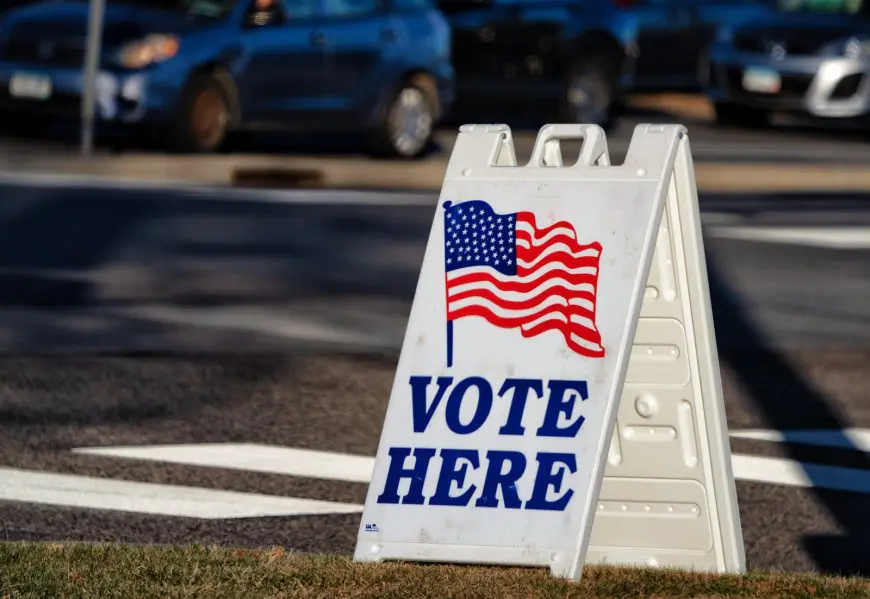
Texas voters handed the AI industry a problem that campaign cash did not fix. The Associated Press called the governor's race for Democrat Gina Hinojosa, who campaigned on pausing new data center construction until the state writes tougher rules. Incumbent Greg Abbott conceded just after 11 p.m. ET, according to CNBC's live coverage, which was still updating at 2:19 a.m. ET Wednesday. Wells Fargo estimates Texas holds 27% of planned US data center capacity.


The AP also projects Democrat James Talarico over Republican Ken Paxton for the Senate seat. The Verge describes Talarico as favoring an end to data center tax incentives and an "AI dividend" so Americans share in the profits. CNBC's Election Desk projects Democrats take both chambers of Congress, though some races were still being counted. Treat all of it as projected until the states certify.
Then there is the number that should worry anyone with a data center in the pipeline. In the CNBC Voter Poll, a collaboration of news organizations built on about 100,000 interviews by phone, online and in person, 56% of voters called data centers a crucial or major factor in their vote, against 44% who said minor or none. Among those who called the issue crucial, 62% backed the generic Democrat and 34% the Republican. CNBC says Democrats ranked the issue higher than Republicans did.
Read that carefully. The poll does not say data centers decided the election. CNBC's own takeaways pin the night on prices, corruption and Trump's economic record, with data centers in the mix. Still, a majority naming an infrastructure fight as a real factor is new.
"Data centers went from being a popular economic development tool in 2024 and 2025 to something of a pariah by the time the midterm campaigns gathered steam." Optimal Advisory's Washington policy team, quoted by CNBC
The smaller ballots pointed the same way. By late Tuesday, 33 local measures to restrict data centers had passed or were leading, according to the tracker Data Centers on the Ballot as reported by Stateline. One North Dakota measure went the builders' way. About a dozen more had no totals yet. Trenton, Ohio, backed a ban 80% to 20%, per the Journal-News, and Piqua, Ohio, passed one 66.7% to 33.3%, per the Dayton Daily News. Both counts are unofficial until certified. Grove City, Ohio, was still counting, with restriction ahead at 54.6% as of the tracker's 12:06 a.m. ET update, so call it leading, not won.
A pause that arrived too late
Abbott did not ignore the backlash. On Sept. 21 he directed Texas regulators to stop issuing permits for data center projects until grid and water audits are finished, and he said he would push to end financial incentives next session. Hinojosa answered that the pause was a campaign tactic.
"He's called for a temporary pause, which most of us believe goes away the day after the election, Nov. 4." Gina Hinojosa, speaking to CBS News in September, as reported by the Longview News-Journal
Her win does not enact a moratorium. CNBC notes the Texas Legislature stays in Republican hands, so a pause is a campaign promise, not law. CNBC reported Nasdaq-100 futures down 0.8% overnight as results came in.
The money is the other thread. CNBC, citing federal and state filings, says Elon Musk put about $212 million behind Paxton and roughly $474 million into the cycle overall. Talarico told his crowd that "all the money in the world is no match for the people of Texas." Musk later joked on X that "data centers in space looking pretty appealing right now."
For context, our earlier piece on Trump's push to make data centers pay their neighbors covered the pre-election pitch. The neighbors have now answered.
This is not tidy partisan sorting. Stateline notes that residents in Republican and Democratic towns alike pushed back, citing energy costs, water use and noise. The lesson for builders is plain. Offer a community a deal it can see, or expect the vote to come back no.