































Toyota Will Build Waymo Robotaxis on Its Own Assembly Line, With Driverless Tests Set for 2027
Toyota will build and fit the Waymo Driver hardware to bZ4X robotaxis at one Japanese plant, with testing starting in 2027. No fleet size, city or paid launch date has been given.
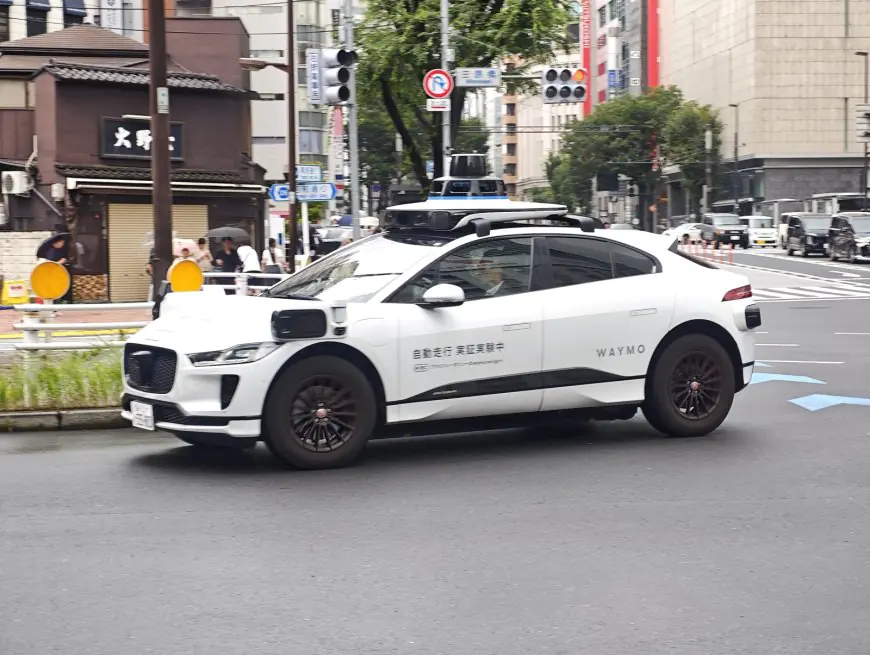
Waymo has spent years doing robotaxis the hard way. Buy a finished car, ship it to a separate facility, then strip it and bolt on the sensors, computers and wiring. On Friday it said it will stop doing that with Toyota, which plans to put the whole job on one factory line in Japan.


Toyota and Waymo said they will begin initial operations to test and validate a fleet of autonomous Toyota bZ4X electric SUVs in Japan in 2027, according to Toyota's announcement. Deployment in the United Kingdom and other Waymo markets is planned for "the following years." This is testing, not a service you can hail. Neither company gave a date for paying riders.
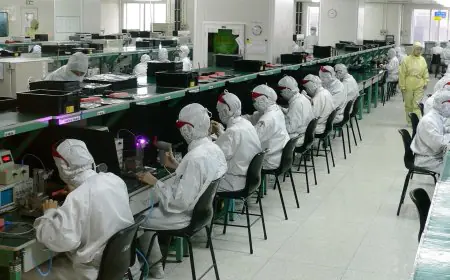
What is new is where the cars come from. Toyota will build them at its Takaoka plant in Toyota City, Aichi Prefecture, with the entire process "under one roof," from assembling the base vehicle to integrating Waymo's hardware. The release calls it the basis for Japan's first fully autonomous ride-hailing service on high-volume, domestically manufactured vehicles. The Verge's Andrew Hawkins reports that the sensors and compute will go in on the assembly line as each car is made, which could cut out redundant labor, custom brackets and secondary shipping. Hawkins says that might also lower Waymo's costs, though no company has put a number on it.
That matters because Waymo has so far been a software and systems company that leans on other people's cars. Hawkins notes it currently runs the Jaguar I-Pace and the Ojai, which is based on the Zeekr RT, with a Hyundai Ioniq 5 version set to follow. The Verge calls Toyota the world's largest automaker. Getting it onto the supplier list is a statement about who Waymo wants building its fleet as it expands, which we covered when it grabbed nearly 250 more square miles of US territory this week.
Small start, big claims
The rollout details are thin. Reuters reported that the companies did not say how many bZ4Xs they will deploy at first or where in Japan they will run. Toyota executive vice president Hiroki Nakajima said initial operations will involve a small number of vehicles. Waymo is also testing Jaguar I-Pace cars in Japan and still plans a pilot with them in 2027, co-CEO Dmitri Dolgov told reporters, so the bZ4X is not the only thing on Japanese roads.
"We'll start with the right-hand drive markets in Japan and the UK," Dmitri Dolgov, Waymo co-CEO, per Reuters
Dolgov added that the companies have no other countries or timelines to share. Right-hand drive is a neat fit. Both Japan and Britain drive on the left, and Nakajima said Toyota also builds left-hand-drive versions of the bZ4X and wants experience in Japan before chasing wider opportunities.
Then there is the safety pitch, which both companies lean on hard. The headline number is Waymo's own claim, made in the joint press release, and not an independent finding.
"In areas where Waymo operates, we've demonstrated that we are up to 20x safer than human drivers when it comes to serious crash injuries." Dmitri Dolgov, Waymo co-CEO
Nakajima, for his part, struck a humbler note: "No single company can achieve the goal of zero traffic accidents alone." Toyota says it will keep exploring how Waymo's technology could go into personally owned Toyota vehicles, and will work with its Woven by Toyota unit on wider road safety. Kyodo News reported that Nakajima sees the partnership holding potential beyond taxis, including commercial vehicles. Those are explorations, not products.
The real test is dull and physical. Can a mass-market production line turn out sensor-laden robotaxis at a pace and quality Waymo cannot manage by retrofitting? Toyota is famous for answering that kind of question. A small 2027 trial will show whether the answer holds up on real streets.