





















Senators Say a Faulty AI Intel Report Almost Started a War
Democratic Senators Mark Warner, Jack Reed and Chris Coons have demanded an inspector general investigation into AI-generated military targeting errors, citing a close call with a Chinese ship in the Middle East that a source says "almost started a war" and accusing defense agencies of prioritizing AI speed over governance.
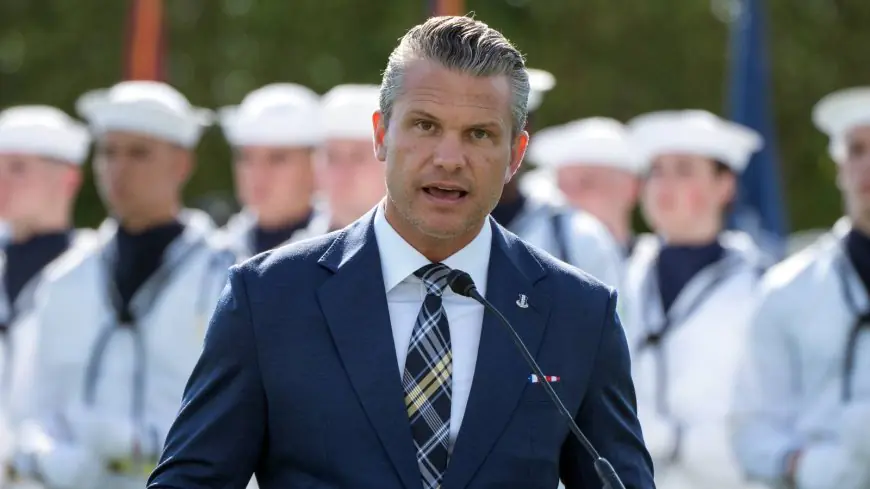
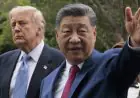
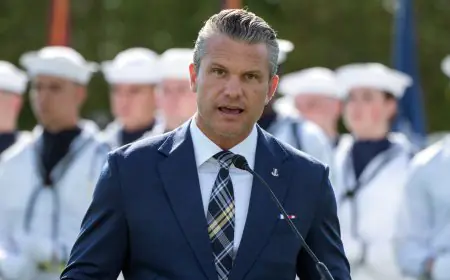
A CNN report about a near-miss at sea just turned into a formal demand for federal watchdogs to dig into how AI is being used in military targeting. Senators Mark Warner, Jack Reed and Chris Coons sent a letter Saturday to Defense Secretary Pete Hegseth and Director of National Intelligence Jay Clayton after CNN detailed an incident involving a close call with a Chinese ship in the Middle East that a source familiar with the matter said "almost started a war."

The senators' language leaves little room for interpretation about what they think is driving the errors. Their letter warns that AI targeting platforms have "repeatedly generated spurious outputs" based on outdated data or outright hallucination. A few specifics from the letter stand out:
- It demands "unrestricted access" for inspectors general to both publicly reported incidents this year and any additional unreported cases
- The senators cite growing concern that agencies have "prioritized acceleration of AI capability adoption and 'experimentation' over effective governance"
- They're calling for a higher degree of public transparency in the findings, given the impact on confidence in US intelligence and warfighting missions
The timing places this squarely inside a much larger fight already playing out in Washington over how fast the government should be deploying AI into high-stakes decision-making. As one outlet's coverage framed it,
The letter arrives amid a broader congressional debate over AI safeguards that has "come to dominate the halls of Congress" — putting military AI adoption in the same conversation as the extinction-risk warnings and slowdown calls that have rattled the private AI industry this month, but with a far more concrete and immediate stake: whether an algorithm's mistake nearly triggered a real military confrontation.