







































Europe's AI Potential: Skype Co-founder Sees Opportunities Amid US Dominance
Skype co-founder Niklas Zennström believes Europe can carve its niche in AI despite US leadership, emphasizing application development and cross-country collaboration as key strategies.

Europe's Growing Role in Artificial Intelligence: A Vision for the Future
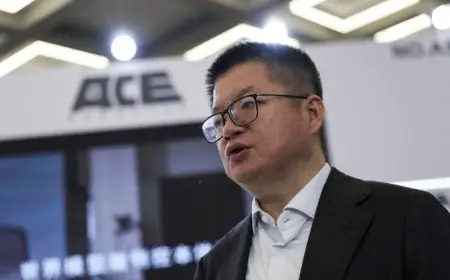
Niklas Zennström, co-founder of Skype, remains confident about Europe’s prospects in the rapidly evolving field of artificial intelligence (AI). While the United States currently leads the charge, Zennström believes Europe has the potential to carve out its own niche by focusing on innovative applications of existing AI models.


Europe’s AI Landscape
Although European organizations trail their US counterparts in AI adoption by 45 to 70 percent, this disparity is also an opportunity. With AI technology still in its infancy, Europe is well-positioned to make significant strides, unlocking substantial productivity gains in the process.
Europe's strengths in the AI value chain include:
- Leadership in AI semiconductor equipment
- Opportunities to innovate in foundation models, AI applications, and AI services
- Potential for annual productivity growth of up to 3 percent by 2030 with generative AI adoption
Strategies to Harness AI Potential
Zennström highlights several strategies that Europe can leverage to strengthen its position in the AI sector:
- Application Development: Harnessing Europe’s technological expertise to create cutting-edge AI applications that address industry and societal needs.
- Data Protection Leadership: Utilizing Europe’s robust regulations on data privacy and security as a competitive advantage to attract users and businesses.
- Cross-Border Collaboration: Encouraging cooperation and technology sharing among European nations to drive competitiveness and innovation.
- Fostering Innovation: Supporting young entrepreneurs in experimenting with AI solutions that solve real-world problems and deliver business value.
Challenges and Opportunities
Despite its potential, Europe faces notable challenges in the global AI landscape:
- A market share of less than 5 percent in critical areas such as raw materials, AI semiconductor design, and cloud infrastructure
- Rising energy demands, with generative AI expected to account for over 5 percent of Europe’s total electricity consumption by 2030
However, these challenges also present opportunities for Europe to innovate and build unique solutions that address these issues, further solidifying its role in AI development.
Innovation as a Competitive Edge
To secure a significant role in the global AI ecosystem, Europe must adopt a comprehensive approach that balances adoption, innovation, and sustainability. By focusing on its existing strengths and addressing critical gaps, the region can develop a robust AI ecosystem.
Zennström aptly observes, “Only through innovation and practice can Europe secure a place in the global AI competition.” With continued investment in research, collaboration across borders, and a commitment to practical applications, Europe can emerge as a formidable contender in the global AI market.