





















OpenAI's Bold Trademark Application Points to Humanoid Robots and Smart Jewelry
OpenAI's recent trademark application hints at ambitious plans for humanoid robots, smart jewelry, and more, signaling a significant expansion beyond traditional AI applications.
OpenAI's recent trademark application has stirred excitement and speculation about the company's future direction. Filed with the United States Patent and Trademark Office (USPTO), the application encompasses a wide array of categories that suggest OpenAI is venturing into new territories beyond its current offerings in artificial intelligence and language processing.

The trademark application includes not only software related to its renowned language models but also mentions potential developments in humanoid robots and smart jewelry. This expansion could indicate that OpenAI is looking to integrate its advanced AI capabilities into physical products that interact with users in innovative ways.
Implications of the Trademark Application
The breadth of the trademark application suggests several possibilities:
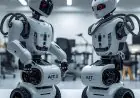
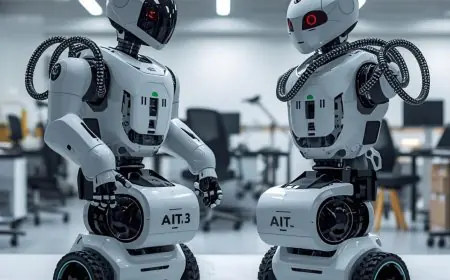
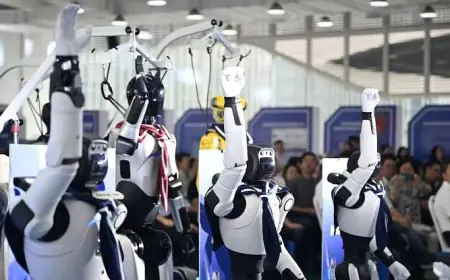
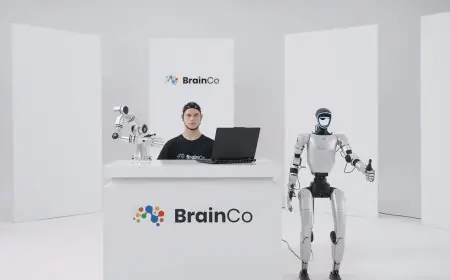
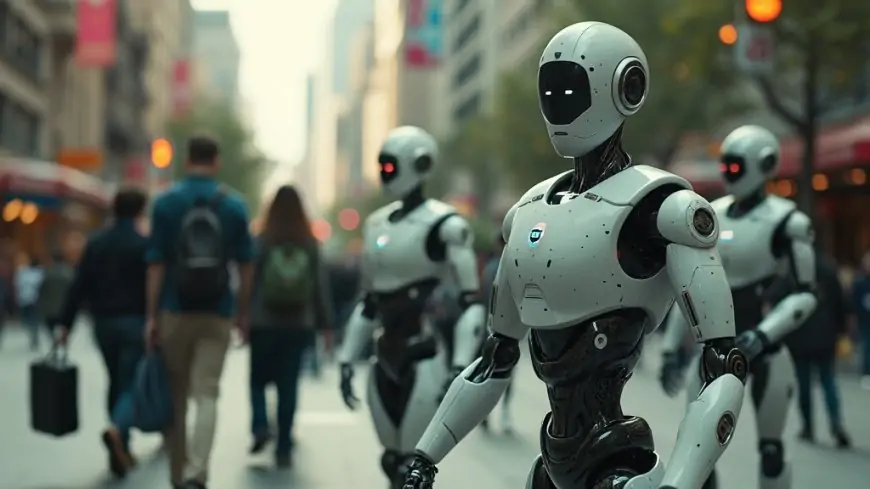
Humanoid Robots: The inclusion of humanoid robots implies that OpenAI may be working on creating robots capable of interacting with humans in a more natural and engaging manner. Such robots could leverage OpenAI's expertise in natural language processing to facilitate more meaningful conversations and interactions.
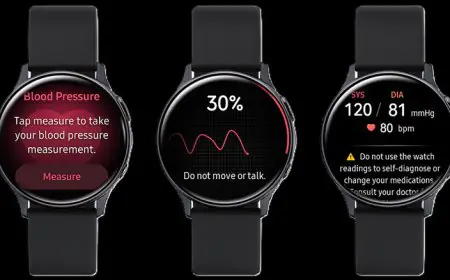
Smart Jewelry: The mention of smart jewelry indicates an interest in wearable technology that could incorporate AI features. This could range from health monitoring to personalized communication, allowing users to connect with their digital environments seamlessly.
Broader AI Integration: The application hints at a broader strategy to integrate AI into everyday objects, enhancing user experiences across various domains. This aligns with trends in the tech industry where companies are increasingly focusing on smart devices that utilize AI for improved functionality.
Industry Context
OpenAI's move comes at a time when the demand for AI-driven solutions is skyrocketing. The global AI market is projected to grow significantly, with estimates suggesting it could reach $2.57 trillion by 2032. As companies like OpenAI continue to innovate, they are likely to play a pivotal role in shaping the future landscape of technology.
Moreover, as generative AI technologies evolve, they are expected to permeate various sectors, including healthcare, education, and entertainment. OpenAI's exploration into humanoid robots and smart jewelry could position it at the forefront of this transformation, potentially redefining how people interact with technology on a daily basis.
While the potential for innovation is vast, OpenAI will face challenges as it navigates these new markets. Regulatory hurdles concerning robotics and wearable technology will need to be addressed. Additionally, ethical considerations surrounding AI's role in personal devices must be carefully managed to ensure user trust and safety.
The legal landscape surrounding trademarks is also complex; OpenAI must ensure that its new ventures do not infringe on existing patents or trademarks held by other entities. The ongoing legal disputes involving similar names in the tech space underscore the importance of maintaining clear branding as they expand their portfolio.
As OpenAI continues to develop its applications and explore new markets through its trademark filings, the industry will be watching closely. The implications of these advancements could redefine human-technology interactions and pave the way for innovative products that enhance everyday life.