





































Tesla Unveils Major Upgrades to Optimus Robot Boosting Dexterity and Factory Deployment
Tesla introduces significant enhancements to its humanoid robot Optimus, advancing physical dexterity, perception, and expanding use in factories and logistics, signaling a major pivot toward AI-driven robotics automation.
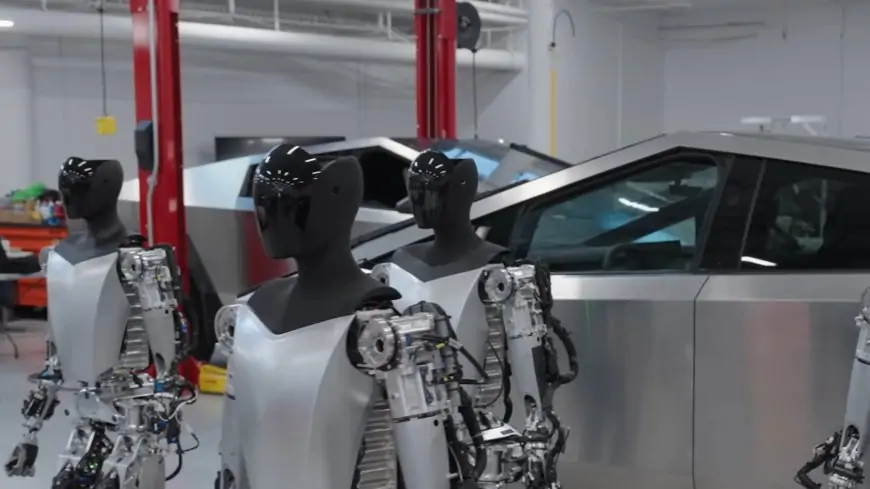
Tesla has announced important advancements to its humanoid robot, Optimus, showcasing improvements in physical dexterity, perception capabilities, and broader deployment across factory floors and logistics centers. This move marks a strategic expansion beyond Tesla’s core electric vehicle business, reinforcing its growing focus on robotics and AI-powered automation.


The updated Optimus robot now demonstrates significantly enhanced manual dexterity allowing it to perform complex tasks with greater precision and flexibility. Tesla engineers have refined its motor functions and grip control, enabling the robot to handle a wider variety of tools and objects in manufacturing environments.
Perception upgrades play a central role in Optimus’ evolution. Improved sensor arrays and AI-driven vision systems now provide sharper spatial understanding and environment awareness. This enables Optimus to navigate factory layouts more autonomously and react effectively to dynamic changes in its surroundings, reducing the need for human oversight.
Tesla’s expanded deployment strategy aims to integrate Optimus into multiple operational domains, primarily targeting factory automation and logistics workflows. Early trials have shown promising results as the robot assists in material handling, assembly tasks, and inventory management. The company plans to scale these deployments, enhancing productivity and reducing reliance on manual labor for repetitive or hazardous jobs.
This shift toward robotics reflects Tesla’s vision of creating a versatile AI ecosystem that transcends its initial electric vehicle innovation. By leveraging its cutting-edge neural network technology and vast real-world data from Tesla’s manufacturing lines, the company is building an adaptable platform that could revolutionize how industries approach automation.
Tesla’s ambitious Optimus project aims to address labor shortages and optimize operational efficiency in high-demand sectors. As the improvements roll out, the industry will likely see a surge in AI-powered humanoid robots performing complex and varied jobs alongside humans, reshaping the future of work.