






























South Korea Grants Tax Relief to 4,800 AI Startups Boosting Drive to Join Global AI Powerhouses
South Korea’s government has granted tax relief to 4,800 AI startups and SMEs as part of a sweeping initiative to establish Korea among the world’s top three AI powerhouses, reflecting strong state backing for AI innovation and growth.
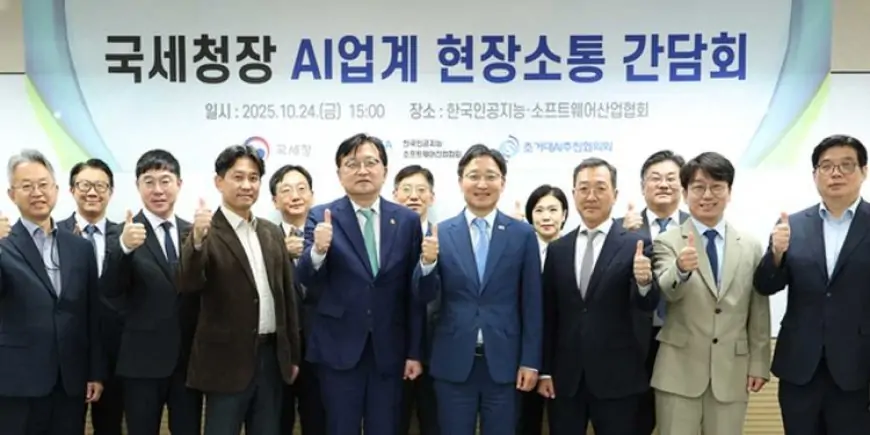
South Korea’s National Tax Service (NTS) has announced sweeping tax relief measures for approximately 4,800 AI-related startups and small to medium-sized enterprises (SMEs), signaling the government’s aggressive push to place the nation among the world’s top three artificial intelligence powerhouses. Effective from October 27, 2025, the initiative aims to reduce financial and administrative burdens on emerging AI firms, fostering innovation and growth across the sector.


In a policy consultation held with the Korea Artificial Intelligence and Software Industry Association (KAISA), NTS Commissioner Lim Kwang-hyun outlined key provisions including exemption or deferral of regular tax audits for AI startups within five years of establishment, and deferrals of up to two years for other AI SMEs. Companies showing no signs of tax evasion will be shielded from additional verification processes, significantly easing compliance pressure.
Beyond audit relief, the program prioritizes expedited handling of R&D tax credits and corporate tax consultations tailored to accelerate AI research and commercialization. Financial support measures complement these efforts, such as extended deadlines for tax payments, suspension of asset seizures, and prioritized correction claims processing.
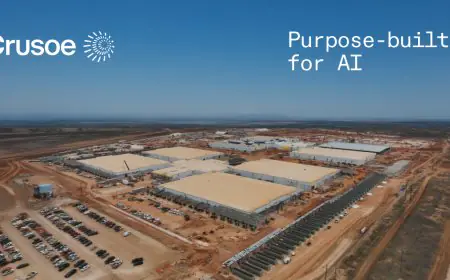
This tax relief package aligns with the government’s broader national AI strategy, which has designated AI as a national strategic technology critical to sustaining Korea’s long-term technological leadership and economic security. The government is concurrently advancing legislative reforms to classify key AI subfields—including generative AI and human-centered AI—as eligible for enhanced R&D tax credits. AI data centers are also targeted for integrated investment tax incentives, encouraging critical infrastructure investment.
Commissioner Lim stressed the strategic importance of nurturing AI SMEs: “AI is a domain that determines national competitiveness, yet our startups face disadvantages in capital, manpower, and infrastructure. This initiative delivers tangible support they can feel and builds a foundation for growth.” KAISA Chairman Cho Joon-hee welcomed the program, noting that AI SMEs drive higher employment growth and create opportunities for young talent.
The initiative recognizes that easing tax burdens and improving liquidity significantly empower smaller AI firms, enabling faster innovation cycles and more robust contributions to the AI ecosystem. It forms part of a coordinated national effort involving government bodies and industry associations, reinforcing Korea’s ambition to leap forward as a global AI leader amid escalating international competition