

















Vibe Coding in 2025: A Revolution or Just a Passing Trend in Tech
Vibe coding, an AI-driven approach to software creation, is reshaping development by replacing traditional coding with intuitive prompts. Will it redefine the industry or remain a niche trend?
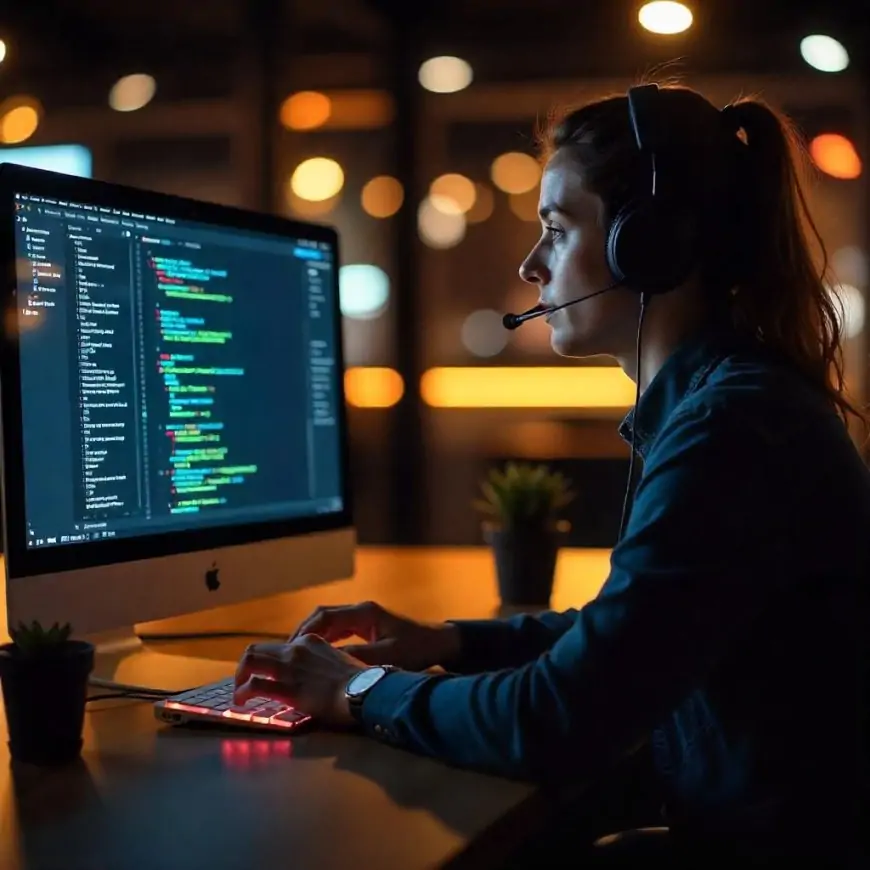
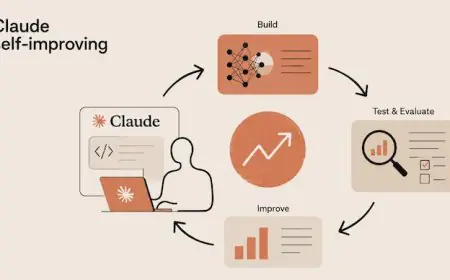
Vibe coding, coined by OpenAI co-founder Andrej Karpathy, is shaking up the software development world in 2025. This innovative approach leverages AI-powered tools like GPT models to transform coding from a technical skill into an intuitive process. Developers and non-coders alike can now describe their intent in plain language, and AI generates functional code based on these prompts. Platforms such as Cursor, Grok, and Claude 3.7 are leading this paradigm shift, enabling rapid prototyping and simplified workflows.

Unlike traditional coding, which demands expertise in programming languages and meticulous debugging, vibe coding focuses on high-level instructions. The AI handles the heavy lifting—writing code, debugging errors, and even optimizing performance. This method drastically reduces development time while lowering barriers for non-technical users. Entrepreneurs and designers can now create software solutions without needing deep technical knowledge.
The benefits of vibe coding are clear: faster development cycles, reduced costs, and democratized access to software creation. For businesses, it means quicker MVP launches and hyper-personalized applications that adapt to user preferences in real time. However, challenges remain. Critics point out that reliance on AI could erode traditional coding skills and introduce risks related to code quality and ethical considerations.
Despite these concerns, vibe coding is gaining traction across industries. Accountants use it for automated financial analysis, while startups accelerate product development using conversational prompts. Even creative fields like game design are embracing vibe coding through competitions such as #vibejam 2025.
Whether vibe coding will dominate the software development landscape or fade as a passing trend depends on how well the industry addresses its limitations. As hybrid approaches emerge—combining AI-generated code with human oversight—vibe coding may evolve into a mainstream tool for innovation.
The rise of vibe coding signals a new era where intuition and creativity take center stage in technology development. With proper governance and ethical frameworks in place, this approach could redefine how we interact with technology in the years to come.