





































Levi Strauss Transforms Direct-to-Consumer Business with AI-Driven Retail Innovation
Levi Strauss is revolutionizing its direct-to-consumer operations by embedding AI tools across its stores, ecommerce, and customer engagement systems, enhancing personalization, operational efficiency, and creative innovation in retail.

Levi Strauss & Co. is rapidly transforming its direct-to-consumer (DTC) business model by integrating artificial intelligence deeply into its retail, ecommerce, and customer engagement platforms. This AI-driven strategy underscores the expanding role of AI technologies in revolutionizing how iconic brands connect with consumers and operate efficiently in a digitized market environment.


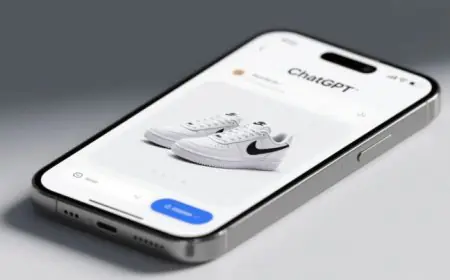
Central to Levi’s approach is the development of a connected AI ecosystem that supports personalized shopping experiences, inventory optimization, fraud prevention, and workflow automation. One standout innovation is the AI-powered Outfitting feature in Levi’s mobile app, which generates styled outfits tailored to individual user preferences, past purchases, browsing behaviors, and real-time inventory availability. This personalization elevates the shopping experience, driving stronger customer loyalty and increased cross-selling opportunities.
The company is also deploying a Microsoft-built AI super-agent that will unify AI capabilities across corporate offices, retail stores, and digital platforms, allowing for smarter, faster customer interactions and backend operations. This super-agent, currently in testing with rollout planned for 2026, exemplifies a wholesale shift where AI sits at the core of Levi’s operational model.
Jason Gowans, Chief Digital and Technology Officer at Levi Strauss, highlighted the strategic importance of AI: “We’re rewiring Levi Strauss & Co. to be a DTC-first, fan-obsessed retailer making every interaction faster, smarter, and more personal. AI fuels innovation, elevates employee creativity, unlocks productivity, and helps us deliver connected, memorable experiences that keep our fans returning again and again.”
These initiatives support Levi’s broader ambition to become a $10 billion retailer by modernizing supply chains, enhancing sustainability through smarter inventory and production decisions, and fostering deeper emotional brand connections via data-driven insights.
Levi Strauss’s AI-powered transformation exemplifies how legacy brands can successfully blend tradition with innovation, setting new benchmarks for retail in an AI-driven world.