











































ByteDance Eyeing Massive $70 Billion Capex to Fuel Escalating AI Compute Costs
ByteDance is reportedly considering a staggering $70 billion capital expenditure strategy as the company races to expand its artificial intelligence infrastructure. The aggressive investment plan highlights the rapidly escalating global costs tied to AI computing power, data centers, and large-scale model development.



ByteDance Is Entering The High Stakes AI Infrastructure Race
ByteDance, the parent company behind TikTok, is reportedly preparing one of the largest artificial intelligence infrastructure spending plans in the global technology industry. According to emerging market intelligence, the company is considering an extraordinary $70 billion capital expenditure strategy aimed at expanding the computing power and infrastructure required to compete in the rapidly intensifying AI race.
The potential investment reflects a broader transformation taking place across the technology sector. As generative AI systems become larger and more computationally demanding, companies are being forced to spend unprecedented amounts on data centers, advanced semiconductors, networking systems, cloud infrastructure, and energy-intensive computing environments.
Why AI Compute Costs Are Exploding Worldwide
The rapid rise of AI models has dramatically changed the economics of the technology industry. Training modern large language models and multimodal AI systems requires enormous clusters of GPUs operating continuously across hyperscale infrastructure environments. The cost of acquiring, powering, cooling, and maintaining those systems has become one of the defining challenges of the AI era.
For companies like ByteDance, the pressure is especially intense. Beyond social media and content recommendation systems, the company is aggressively expanding into generative AI services, enterprise AI tools, and advanced machine learning infrastructure. Competing with firms such as OpenAI, Google, Meta, and Anthropic requires access to massive computing resources capable of supporting increasingly sophisticated AI workloads.
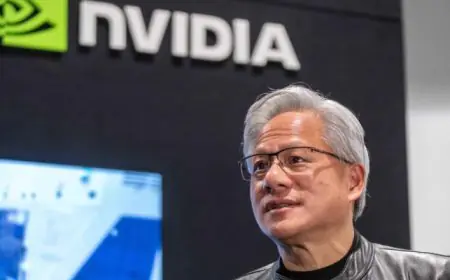
Industry observers note that advanced AI infrastructure is rapidly becoming one of the most expensive strategic assets in the global economy. Organizations including NVIDIA continue seeing surging demand for high-performance AI chips as technology companies race to secure limited GPU supply for next-generation model training.
ByteDance Is Expanding Beyond Social Media
While ByteDance is best known globally for TikTok, the company has quietly evolved into one of the world’s most aggressive AI-focused technology firms. Artificial intelligence already powers much of its recommendation engine technology, advertising optimization systems, and content moderation infrastructure.
Now, analysts believe the company is aiming to build a much larger AI ecosystem capable of supporting generative AI applications across multiple industries. Reports suggest ByteDance has been investing heavily in proprietary large language models, AI cloud services, and enterprise-focused AI solutions as competition intensifies worldwide.
The scale of the proposed capital expenditure also highlights how AI development is shifting from a software-centric business into a full infrastructure arms race. Beyond algorithms themselves, success increasingly depends on access to data centers, semiconductor supply chains, energy resources, and specialized engineering talent. Research groups such as McKinsey have repeatedly emphasized how infrastructure spending is becoming central to long-term AI competitiveness.
The Global AI Economy Is Becoming More Capital Intensive
ByteDance’s potential spending surge reflects a larger reality confronting the entire AI sector. Developing frontier AI systems now requires investment levels once associated primarily with telecommunications networks, industrial manufacturing, or national infrastructure projects.
Major technology firms are increasingly allocating tens of billions of dollars annually toward hyperscale AI facilities, semiconductor procurement, cooling systems, and cloud expansion. Investors are beginning to recognize that the companies capable of sustaining these enormous infrastructure costs may ultimately dominate the future AI economy.
At the same time, the growing financial demands of AI development could reshape competitive dynamics across the technology sector. Smaller firms without access to large-scale capital may struggle to compete against companies capable of funding massive compute environments and long-term infrastructure expansion.
If ByteDance ultimately moves forward with the reported $70 billion strategy, it would signal more than aggressive corporate growth. It would confirm that artificial intelligence has officially entered an era where computing infrastructure itself may become the most valuable competitive advantage in the global technology market.