
































FAA AI Air Traffic Control Sparks Fear But CEO Says Dont Panic
Air Space Intelligence CEO Phillip Buckendorf addressed public anxiety over the FAA's new $875 million AI-assisted air traffic software, insisting the system only recommends options while human operators remain "the decider," even as a former controller and a congressman question how much difference it will actually make.
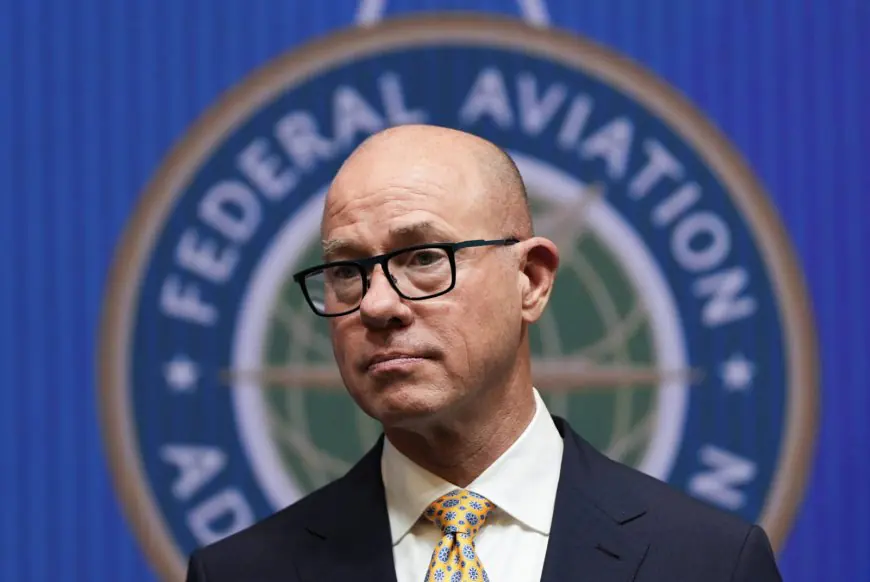
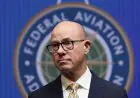
The man building the FAA's new AI tool spent Wednesday trying to convince a nervous public that the system isn't what it sounds like. Phillip Buckendorf, CEO of Air Space Intelligence, told NPR directly: "I totally understand that there is fear about, like, 'this is AI for air traffic control.' But it's not."

The clarification matters because of what the $875 million software actually does versus what the name suggests. Buckendorf was careful to draw a hard line around where the AI's role stops. A few specifics define that boundary:
- Buckendorf said plainly: "This is not about automating air traffic control... What we're focused on is how do we optimize the airspace in its entirety."
- The AI "does the math, the AI does the computation," but a human air traffic manager decides whether to act on any recommendation — "they make the decision, they are the decider, they are the judge"
- Buckendorf compared the tool to chess software that lets traffic managers see four or five moves ahead, rather than one that makes the moves itself
Not everyone is convinced the reassurance settles the bigger questions. Rep. Don Beyer warned "the FAA should not use my constituents as guinea pigs for an unproven AI air traffic control system," while former controller Dave Riley called the software "a step in the right direction" but cautioned it's "not a cure all" for deeper problems — chiefly the longstanding staffing shortage forcing many controllers into mandatory overtime.
Riley went further, suggesting the FAA may be overstating how much the tool will actually improve things for the flying public. Buckendorf's closing argument sidesteps that skepticism rather than resolving it: air traffic managers, he said, deserve "world-class software" regardless — leaving the real test not whether the AI behaves as promised, but whether better software can meaningfully offset a system still short on the humans who have to act on its recommendations.