






































Google Just Put AI Chips in Space and They Are Already Talking Back
Google confirmed its Project Suncatcher prototype satellite, carrying four Trillium-generation TPUs, reached orbit October 1 aboard SpaceX's Transporter-18 rideshare and is operating as expected, beginning the first real test of whether AI chips can survive the radiation, heat and physical stress of spaceflight.
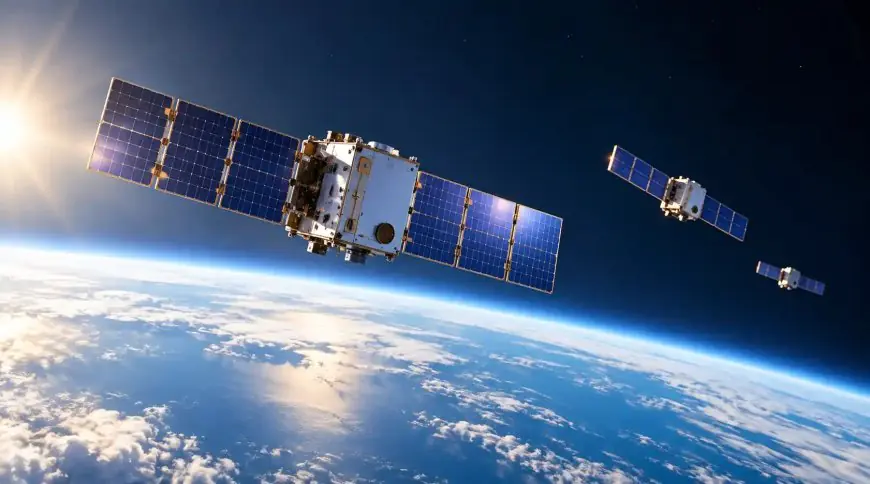
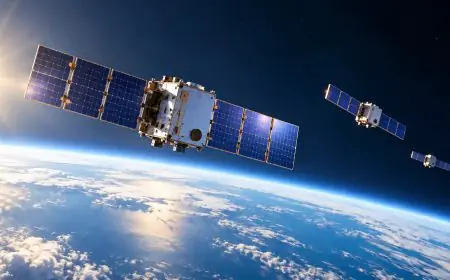
Google's data center of the future is roughly the size of a refrigerator and currently circling Earth at 650 kilometers up. The company confirmed its first Project Suncatcher prototype satellite reached orbit on October 1 aboard SpaceX's Transporter-18 rideshare mission, with project lead Travis Beals writing in a Google Research blog post: "Our team has confirmed contact with the satellite and it is operating as expected."


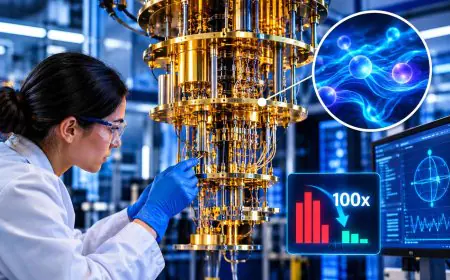
Built in partnership with Earth-observation company Planet, the satellite carries four Trillium-generation TPUs — the same chip family that powers Gemini on the ground — into a genuinely hostile test environment. A few details define what the mission is actually trying to prove:
- Over the coming weeks, the TPUs will run Google's open Gemma model in 15-minute intervals, while engineers track how the hardware handles radiation, thermal extremes and microgravity
- In ground tests at UC Davis, the TPUs already withstood radiation doses far beyond what a five-year orbital mission would be expected to deliver
- Low Earth orbit offers a genuine physics advantage: a satellite in near-constant sunlight can generate up to eight times more solar power than the same panel would on Earth's surface
The achievement is deliberately modest in scope — this is a hardware-validation experiment, not a working data center, and Google has disclosed no TPU workload numbers, orbital parameters, or commercial timeline.
The real engineering problem ahead is thermal, not electrical: unlike a terrestrial data center that moves heat with air, water or refrigerant, a spacecraft can only shed heat by radiating it into the near-vacuum of space, meaning chip performance may end up limited by radiator surface area rather than raw power supply.
As one industry analysis put it, the satellite has cleared two meaningful hurdles — launch and first contact — leaving the harder, slower work of proving AI chips can actually keep running reliably once they're up there.