





































DeepLoad Malware Signal A New Cybersecurity Crisis
Nigeria’s National Information Technology Development Agency has issued a major cybersecurity warning over a new AI-powered malware strain known as DeepLoad. The advanced threat is reportedly capable of bypassing traditional antivirus systems while targeting government agencies and financial institutions.



NITDA Raises Alarm Over Advanced AI Malware Threat
Nigeria’s National Information Technology Development Agency has issued an urgent warning about a dangerous new cyber threat known as DeepLoad, an AI-powered malware strain reportedly designed to evade traditional antivirus systems. According to the agency, the malware has already demonstrated the ability to infiltrate sensitive digital environments, particularly within government institutions and financial organizations.
The warning comes as cybersecurity experts around the world continue to express concern over how artificial intelligence is changing the nature of digital attacks. Unlike conventional malware, AI-enhanced threats can adapt their behavior, avoid detection, and modify attack patterns in real time, making them significantly harder to stop using traditional security tools.
How DeepLoad Malware Reportedly Operates
Security analysts familiar with the threat say DeepLoad uses machine learning techniques to study system defenses and alter its execution methods dynamically. This allows the malware to disguise malicious activities as legitimate background processes, reducing the chances of being flagged by standard endpoint protection software.
Reports suggest the malware is particularly focused on financial databases, sensitive government records, login credentials, and internal communication systems. Once deployed, DeepLoad can reportedly move quietly across connected networks while collecting data or preparing systems for larger attacks.
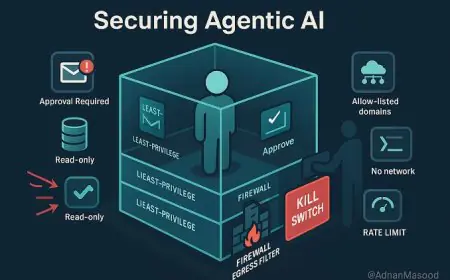
NITDA warned that organizations relying solely on outdated antivirus systems may face elevated risks if additional security measures are not implemented quickly. The agency has encouraged institutions to strengthen network monitoring, apply zero-trust security principles, and improve employee awareness regarding phishing attempts and suspicious attachments.
According to reporting from Reuters, cybersecurity professionals globally are increasingly seeing AI integrated into both defensive and offensive cyber operations. Experts say the emergence of adaptive malware could represent one of the most significant cybersecurity shifts in years.
Why Financial Institutions Are Prime Targets
Financial organizations remain among the most attractive targets for cybercriminals because of the enormous value of customer data, transaction systems, and digital payment infrastructure. In Nigeria, where digital banking adoption has expanded rapidly, cybersecurity threats have also grown more sophisticated.
Experts believe AI-powered malware like DeepLoad may specifically target institutions with large user databases or interconnected digital ecosystems. A successful breach could potentially expose confidential customer information, disrupt payment services, or create wider economic instability if left unchecked.
Government institutions are also considered high-value targets because they manage sensitive national records, internal communications, and strategic infrastructure systems. Security analysts warn that AI-enhanced cyber attacks could eventually be used not only for financial theft but also for espionage, misinformation campaigns, or infrastructure disruption.
The Growing Global Concern Around AI Cyber Threats
The DeepLoad warning reflects a larger global debate about the risks associated with artificial intelligence. While AI continues transforming healthcare, education, finance, and business productivity, it is also giving cybercriminals access to more advanced attack capabilities.
Technology experts say traditional cybersecurity strategies are no longer enough against adaptive AI threats capable of learning from failed intrusion attempts. This has pushed organizations worldwide to invest more heavily in behavioral analytics, AI-driven threat detection, and advanced security automation systems.
Coverage from Bloomberg has highlighted how governments and private companies are increasing cybersecurity spending as AI-powered threats become more sophisticated and difficult to contain.
For Nigeria, the emergence of DeepLoad serves as another reminder that digital transformation must be matched with stronger cybersecurity readiness. As artificial intelligence continues evolving, experts warn that the battle between cyber defenders and cybercriminals is entering a far more complex and unpredictable phase.