

































Nigeria is Linking its AI Future to Renewable Energy
As Nigeria moves to position itself as a regional hub for artificial intelligence, the government and tech leaders are facing a critical bottleneck: the power grid. A new strategic push is now underway to integrate AI data centers directly with renewable energy sources to ensure the nation’s tech boom doesn't flicker out.
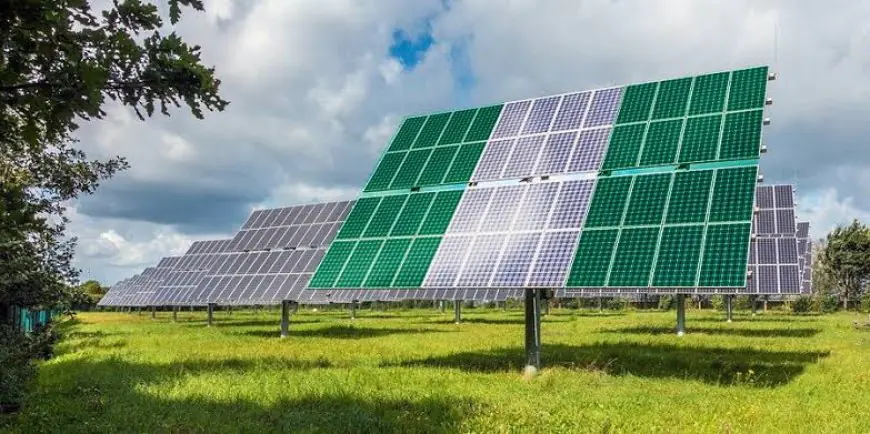


The global race for artificial intelligence supremacy has officially hit a physical wall, and that wall is made of power lines. In Nigeria, where the tech ecosystem is growing at a breakneck pace, a new narrative is emerging among policymakers and infrastructure giants. It is no longer enough to just build the code; we must now secure the current. Experts are increasingly warning that for Nigeria to sustain its AI ambitions, the country must fundamentally rethink how it powers its digital "brain."
The problem is simple math. Training a single large language model or running a massive inference farm requires an astronomical amount of electricity. In a nation where the national grid often struggles to meet basic domestic demand, the sudden influx of high-compute data centers represents both a massive opportunity and a potential crisis. This has led to an urgent call from both the public and private sectors to decouple AI infrastructure from the traditional grid and lean heavily into renewable alternatives.
The collision of compute and carbon goals
The push for "Green AI" in West Africa isn't just about being environmentally conscious; it is about survival. As International Energy Agency reports suggest, data center energy consumption is expected to double globally by 2026. For emerging economies like Nigeria, relying on fossil-fuel-based generators to bridge the gap is becoming economically unviable and environmentally disastrous. The cost of diesel alone could bankrupt an AI startup before it even finishes its first training run.
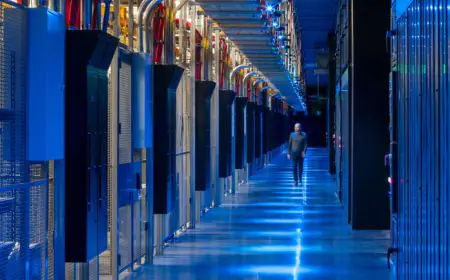
During recent tech summits in Lagos and Abuja, the consensus was clear: the future of Nigerian AI belongs to those who can master solar and gas-to-power solutions. We are seeing a shift where data center providers are no longer just IT companies—they are becoming mini-utility companies. By integrating solar arrays and advanced battery storage directly into the design of new server farms, these "AI Factories" can maintain the 99.9% uptime required for machine learning workloads without putting additional strain on the local population's electricity supply.
Why the renewable pivot is non-negotiable
The shift toward sustainable AI infrastructure is being driven by three primary factors that every stakeholder in the Nigerian tech space is currently watching:
- Sovereign Data Requirements: Nigeria's push for data residency means more data must stay within its borders. Without massive, energy-efficient local data centers, this goal is impossible to achieve.
- Investor Mandates: Global venture capital is increasingly tied to ESG (Environmental, Social, and Governance) criteria. AI firms that can prove they are running on 100% renewable energy have a significant advantage in the international funding market.
- Operational Stability: High-performance computing (HPC) hardware is incredibly sensitive to power fluctuations. Direct-to-renewable microgrids offer a level of stability that traditional grids currently cannot guarantee.
Government agencies are beginning to take note. The National Information Technology Development Agency (NITDA) has been vocal about creating frameworks that encourage the development of sustainable tech hubs. There is even talk of "AI Free Zones" where companies could receive tax breaks specifically for building off-grid, renewable-powered compute clusters. This would effectively create a specialized lane for tech growth that bypasses the legacy issues of the national power sector.
As we move further into 2026, the success of Nigeria’s AI strategy will likely be measured not by the number of developers it trains, but by the number of megawatts it can generate cleanly. The expansion of AI is colliding with energy policy in a way we have never seen before. For Nigeria, this is the ultimate test of innovation. Can the country build a 21st-century digital economy on a 21st-century energy foundation? The stakes couldn't be higher. If the country gets this right, it won't just be an AI leader in Africa; it will be a global blueprint for how emerging economies can leapfrog traditional infrastructure hurdles.
The message for businesses is clear: the digital economy is being rewritten, and the ink is being drawn from the sun and the wind. Those who fail to integrate sustainability into their tech stack will find themselves left in the dark.