





































Nvidia NemoClaw and new chips are changing the ai infrastructure race
At the highly anticipated GTC 2026, Nvidia CEO Jensen Huang unveiled a massive shift in the company's strategy. By introducing specialized AI-first silicon alongside NemoClaw, a revolutionary enterprise agent platform, Nvidia is moving beyond general-purpose GPUs to dominate the trillion-dollar AI infrastructure arms race.

The tech world often refers to Nvidia’s annual GTC event as the "Super Bowl of AI," but in 2026, it felt more like a coronation. For years, the industry has relied on Nvidia’s general-purpose GPUs to train the world’s largest models. However, as the global demand for compute continues to skyrocket, the limitations of "general" hardware are becoming clear. This week, Jensen Huang took the stage to announce that the era of the general-purpose GPU is evolving into something far more specialized and potent.
Nvidia’s latest announcement isn't just about faster chips; it is about a fundamental pivot toward a "full-stack" AI ecosystem. By introducing a new line of specialized AI processors and the NemoClaw enterprise agent platform, Nvidia is signaling that the future of technology isn't just about intelligence—it is about the infrastructure that powers it at scale.
The Rise of Specialized AI Silicon
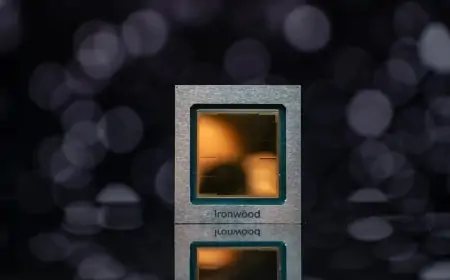
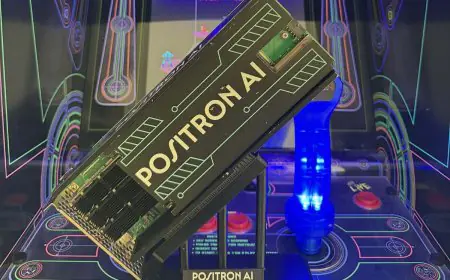
The headline hardware of the event is a new generation of chips designed specifically for "inference-at-scale" and agentic reasoning. Unlike previous generations that balanced gaming, visualization, and compute, these new units are stripped of everything that doesn't contribute directly to neural network processing. The result is a massive leap in energy efficiency and a 40% reduction in latency for real-time AI applications.
This move is a direct response to the growing competition from custom silicon projects at companies like Tesla and Google. Nvidia is essentially telling the market that it can build a specialized chip better than anyone else. These new processors are the first to feature "Liquid-State Architecture," allowing them to dynamically reallocate resources based on the specific type of AI model being run—whether it’s a massive transformer or a nimble autonomous agent. For a deeper look at the technical specifications, you can visit the Nvidia Newsroom for the official hardware whitepapers.
NemoClaw and the Age of the Enterprise Agent
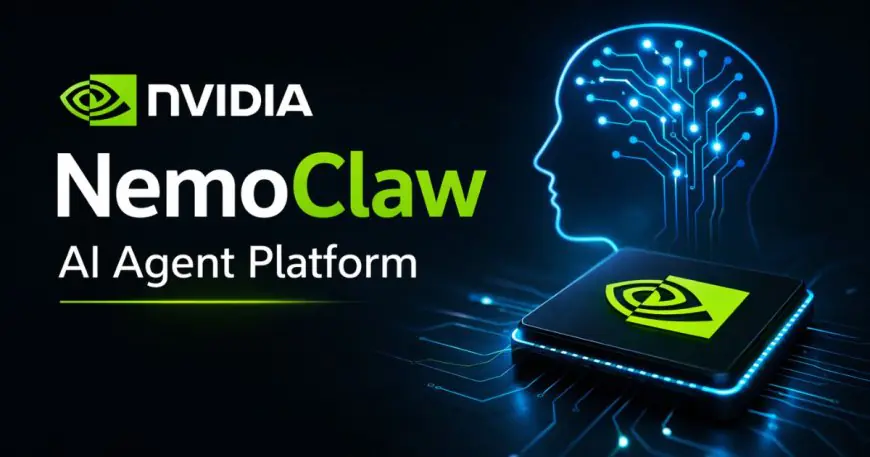
While the chips provided the brawn, "NemoClaw" provided the brains. NemoClaw is Nvidia’s new enterprise AI agent platform, designed to allow corporations to build, deploy, and manage thousands of autonomous agents across their internal networks. This isn't just a chatbot builder; it is an orchestration layer that allows AI agents to interact with legacy software, manage databases, and even handle complex supply chain logistics without human intervention.
The "Claw" in NemoClaw refers to the platform’s ability to "grab" and utilize any data source within an enterprise's secure perimeter. During the keynote, Nvidia demonstrated how a single agent could resolve a global logistics bottleneck by communicating with port authorities, trucking fleets, and warehouse inventories in seconds. This level of automation is what industry leaders at the MIT Technology Review have long predicted as the "final frontier" of corporate digital transformation.
The Infrastructure Arms Race
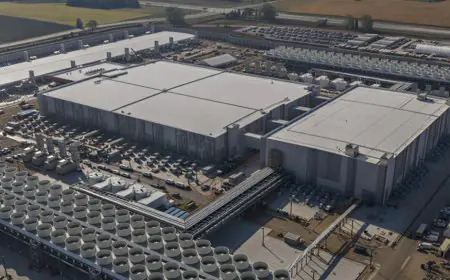
The broader takeaway from GTC 2026 is that the AI industry is entering a new phase. We are moving away from a period where companies simply "rented" intelligence from providers like OpenAI or Anthropic. Now, the biggest firms in the world want to own their own intelligence infrastructure. They want the chips, the software layer, and the agentic tools to live within their own walls.
Nvidia’s shift toward specialized infrastructure is a defensive moat against the democratization of AI. By tightly integrating the hardware (the new chips) with the software (NemoClaw), Nvidia is making it difficult for enterprises to switch to alternative vendors. This "sticky" ecosystem ensures that as AI becomes more central to global GDP, Nvidia remains the primary gatekeeper of the physical and digital tools required to participate.
As we head toward the 2027 fiscal year, the conversation is no longer about whether AI is useful. The question is who has the most efficient, most specialized, and most scalable infrastructure to run it. With the launch of NemoClaw and its next-gen silicon, Nvidia has made its answer very clear: they intend to build the world’s AI central nervous system, one specialized chip at a time.