











Iran Proposes AI, Cybersecurity, and Green Economy Standards at BRICS Summit
Iranian Vice President Farzaneh Ansari has proposed three key initiatives at the BRICS Heads of National Standards Bodies Meeting in Bengaluru, focusing on standardizing artificial intelligence, cybersecurity, and data governance. The proposals aim to boost bloc-wide technical cooperation and facilitate trade among member states.
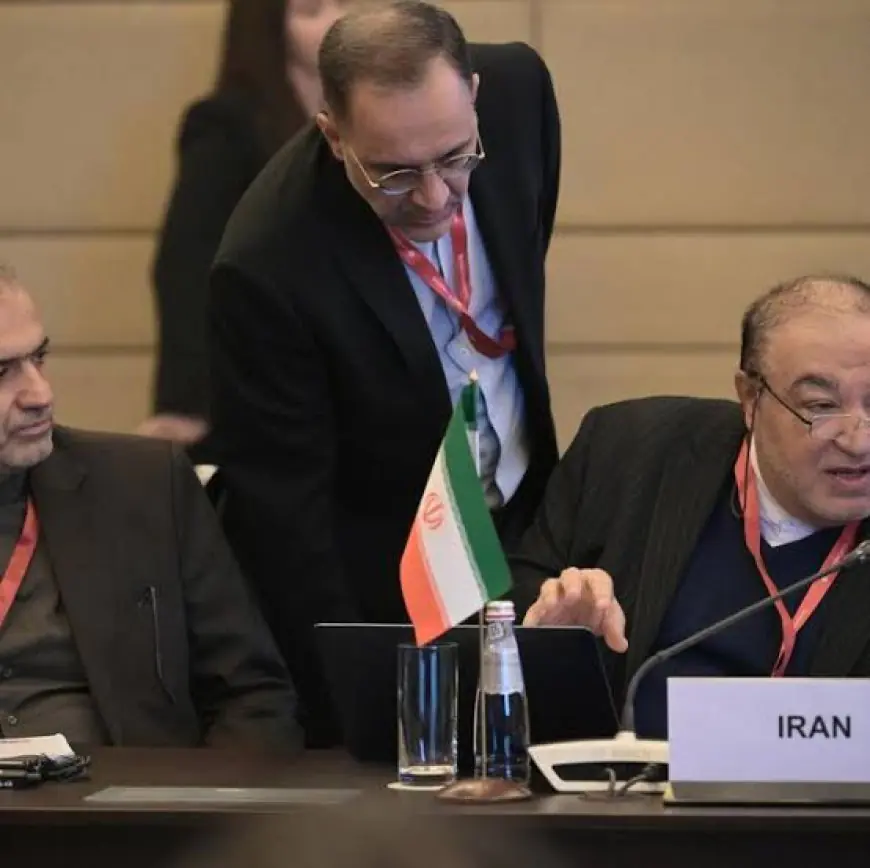
Iran has positioned itself as a key driver of technical cooperation within the BRICS bloc, proposing three initiatives aimed at harmonizing standards across emerging technologies and trade protocols.


Iranian Vice President and Head of the National Standards Organisation of Iran (INSO) Farzaneh Ansari presented the proposals at the BRICS Heads of National Standards Bodies Meeting, a two-day gathering being held in Bengaluru from July 16-17.
The first and most significant proposal focuses on standardizing artificial intelligence, cybersecurity, and data governance.
These areas have become priorities for countries worldwide, and the development of common standards could play a significant role in enhancing technological cooperation among BRICS members.
The second initiative targets carbon emission reduction, the green economy, and sustainability reporting, while the third seeks mutual recognition of certificates issued by inspection and standardization bodies to harmonize trade procedures.
According to the Iranian Embassy in India, the proposals were well received and will be considered for incorporation into the Memorandum of Understanding on cooperation among BRICS member states.
The proposal comes amid broader efforts within the BRICS bloc to establish a common standards framework for emerging technologies.
A dedicated workshop on AI standardization is scheduled for July 17, bringing together experts from India, Russia, China, and Brazil to discuss the development of standards for safe, trustworthy, and responsible AI systems.
Technical standards for AI differ from regulatory frameworks by establishing common specifications for safety, interoperability, transparency, testing, and risk management. As governments worldwide race to develop AI governance frameworks, cooperation among BRICS members could shape future international norms.
Iran's active participation in AI governance is part of a broader strategy to strengthen its role in the bloc.
The country has been pursuing cooperation with BRICS members on reliable computing power networks and future digital infrastructure, while Iran National Science Foundation has launched joint research calls with BRICS partners in areas including AI, high-performance computing, and quantum technologies.
The proposals were presented at the first meeting of BRICS heads of national standards bodies, which brings together representatives from all 11 member states — Brazil, Russia, India, China, South Africa, Egypt, Ethiopia, Indonesia, Iran, Saudi Arabia, and the UAE.
The expanded grouping now accounts for nearly half of the world's population and roughly 40 percent of global GDP.