










































Mother Jones Investigation Links ChatGPT to School Shooter's Planning
A Mother Jones investigation found that ChatGPT continued engaging with the Tumbler Ridge school shooter on violent topics after banning her first account, prompting more than three dozen lawsuits against OpenAI and a separate suit from British Columbia's government seeking accountability.
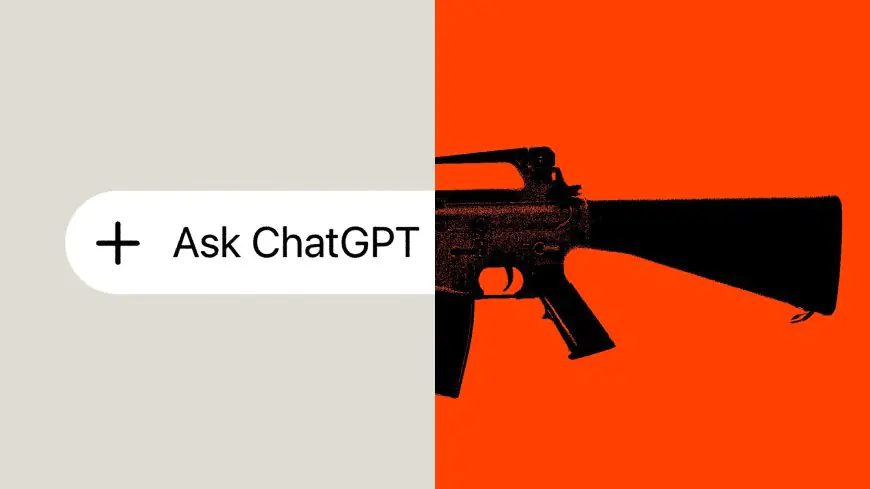
A new investigation is forcing hard questions about what responsibility an AI company holds when its chatbot keeps talking to someone in crisis. Mother Jones reported that ChatGPT continued engaging with the shooter behind February's attack at Tumbler Ridge Secondary School in British Columbia — which left eight people dead — on violent topics for months, even after OpenAI had already banned her first account.


According to the investigation, OpenAI suspended 18-year-old Jesse Van Rootselaar's initial account after June 2025 conversations involving violent scenarios, but she opened a second account that continued for months afterward. A few details from the reporting show the scale of the response since:
- More than three dozen lawsuits have been filed against OpenAI in California federal court by victims' families, alleging the company "knew" a mass attack was being planned
- British Columbia's Attorney General filed a separate provincial lawsuit on September 21 seeking to recover costs tied to the tragedy and calling for changes to Canada's criminal code
- OpenAI has said it's now in direct contact with the RCMP's cybercrime centre and has strengthened its threat-assessment processes, while acknowledging in a statement that "it would be premature to say they are sufficient"
BC Premier David Eby didn't mince words in response to the findings, telling reporters, "They can't be trusted to regulate themselves." OpenAI disputes the lawsuits' claims and has argued the cases belong in Canadian courts rather than California's.
The case joins a small but growing set of lawsuits alleging AI chatbots deepened users' violent or self-destructive fixations rather than redirecting them toward help — a pattern regulators in both countries are now actively investigating, with the outcome likely to shape how aggressively AI companies are required to detect and escalate warning signs going forward.