













Disney Will Build Private AI Models of Its Characters With Adobe After the Sora Deal Died
Adobe becomes Disney's Official AI Innovation Partner and will build private Firefly Foundry models trained on Disney properties, months after Disney's $1 billion OpenAI bet collapsed, Variety reported.
Disney is still fighting AI companies in court over its characters, and its $1 billion bet on OpenAI evaporated this year. On Monday it picked a different route. Adobe and The Walt Disney Company announced a multi-year strategic alliance at Adobe MAX in Miami Beach that names Adobe an Official AI Innovation Partner of Disney, with custom generative models built on Disney's own properties at the center of it.


The pitch is simple. Instead of letting a public model guess what a Disney franchise should look like, Disney gets its own. Through Adobe Firefly Foundry, the two companies will build models that Adobe says are "customized on Disney properties" and trained on "unique world knowledge (character attributes, environments, visual styles) to generate commercially safe and production-ready outputs." Reuters reported that the models will be private and proprietary to Disney. The release puts no price on any of it.
Imagineers already have it
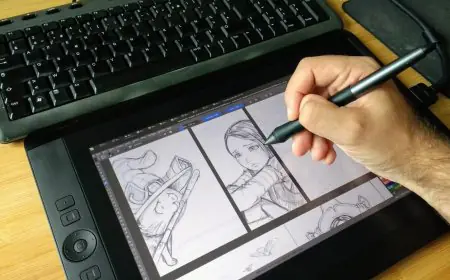
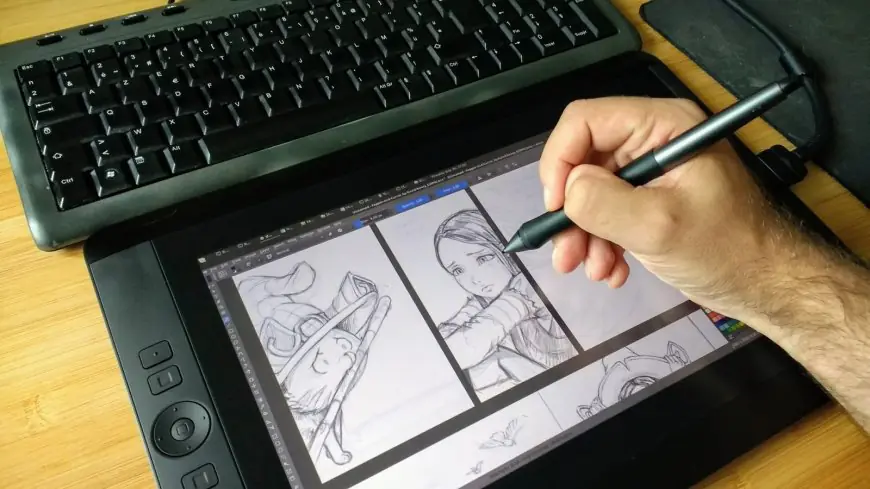
This is not a fresh experiment. Walt Disney Imagineering Research and Development is already using Firefly Foundry, according to Adobe, including a sketch-to-image model that turns hand-drawn concepts into fully rendered 2D concept art and a custom image model that produces "on-brand, franchise-accurate creative assets." Variety reported in June that those models had been trained on franchises such as Frozen, Cars and Lilo and Stitch, and had also helped turn 2D renderings into 3D prototype models.
Kyle Laughlin, senior vice president of R&D, technology and engineering at Imagineering, gave Reuters the clearest picture of why Disney cares.
"We talk about the time frames in our projects in years. It is years' worth of development. And what Adobe Foundry has allowed us to do is compress the creative process that would have taken months to now being able to do that in hours and days." Kyle Laughlin, Walt Disney Imagineering, to Reuters
Laughlin also told Reuters the speed helps "reduce costly changes in the field" once construction starts, and that the tools are "in no way meant to replace" roles at Imagineering. That reassurance lands awkwardly. In the same story, Reuters pointed to a Bloomberg News report from earlier this month that Disney was considering cutting thousands of jobs and had asked some managers to target 20% in annual cost savings. Nobody has tied the two together on the record.
According to Reuters, the rollout starts with project timelines at Disney Experiences, the division behind the theme parks, resorts and cruise lines, and with concept exploration at StudioLAB, the innovation hub inside Walt Disney Studios. Adobe joins StudioLAB as an innovation partner, and it will work with ESPN Edge on ways AI could lift fan engagement and "bring ESPN's archive to life," per the announcement.
A chunk of the release is plain marketing, covering "global marketing activations, industry events, thought leadership, customer storytelling." Part of what Adobe gets is the right to tell everyone Disney trusts its AI.
Variety reported that Disney scrapped its planned $1 billion investment in OpenAI and its licensing deal for Sora after OpenAI shut the Sora platform down in March. That arrangement would have put Disney characters into a public video app. The Adobe route keeps them behind Disney's own walls. Variety also noted that Disney is still pursuing Midjourney and MiniMax in court over copyright infringement.
Licensed, private training is the opposite of the scrape-first habit that still dominates the industry, even as big labs back opt-out schemes while they keep scraping. Owning the data and the model is a luxury few rights holders can match, though, and it settles nothing about the people who drew the characters in the first place.
Disney artists have said as much before. When the OpenAI deal was announced last December, Danny Lin, a Disney storyboard artist and president of the Animation Guild, told Vulture that members who created the characters "are not being included in the conversation in terms of licensing compensation." Adobe calls the new models "human-centered and artist-led." Neither company has said whether that means artists see anything more than a faster deadline.