






































Adobe Puts AI Agents Inside Photoshop and Premiere and Opens a Local MCP
Adobe announced AI agent features across Photoshop, Premiere and Firefly, plus a local protocol letting outside chatbots like ChatGPT and Claude edit native project files. Most tools are live now, with the MCP integration delayed to early 2027.
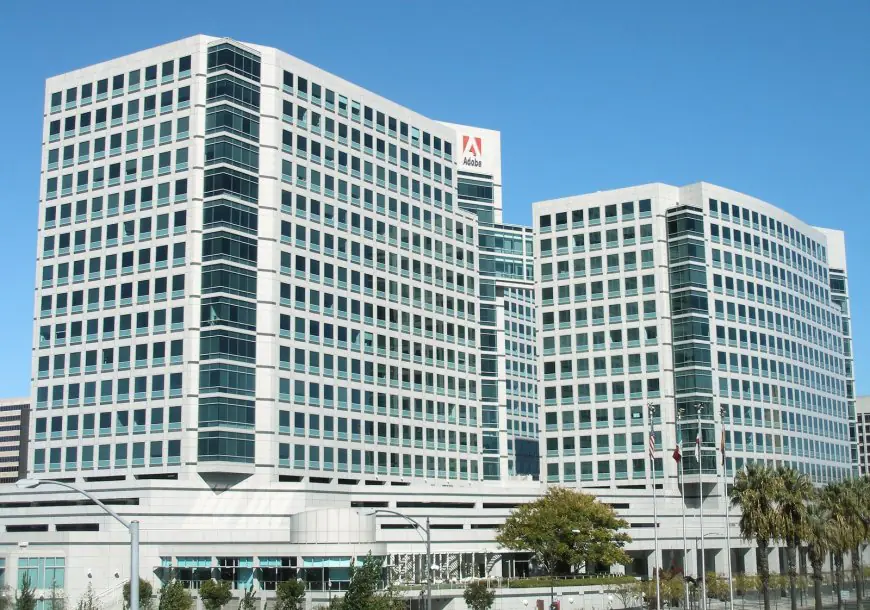
Adobe unveiled a broad set of AI agent features for its Creative Cloud apps at Adobe MAX in Miami Beach on Monday, along with a local Model Context Protocol that will let outside AI assistants edit files directly inside Photoshop, Illustrator, Premiere and After Effects.


In a press release, Adobe said Photoshop is getting a relighting tool called Relight, a prompt-based editable style tool called Generative Restyle, a Remove tool for erasing objects, and a side-by-side Quick Compare view. Premiere is getting a color grading system called Color Mode, a Generative Media tool for producing video and audio, and tools for removing unwanted objects and separating overlapping voices in a clip. Illustrator is getting expanded content libraries and on-canvas blending controls.
Firefly, Adobe's generative AI brand, is being reorganized around three pieces: Firefly Design, a single canvas for raster, vector, motion, 3D and print work; Firefly Graph, a tool for building custom creative workflows; and Firefly Builder, a natural-language tool in private beta that turns an idea into a working prototype, such as a website or app, without writing code.
Deepa Subramaniam, Adobe's vice president of product marketing for Creative Cloud, said in the release that the goal is to turn familiar tools into something closer to an assistant. "Our latest Creative Cloud innovations transform our trusted creative tools into agentic, intelligent workflows," she said.
The most consequential piece for developers may be the new local MCP integrations, which TechCrunch reported will let third-party AI agents, including ChatGPT, Claude and Gemini, work inside Photoshop, Illustrator, Premiere and After Effects on a user's own computer. Adobe said the agents will be able to edit native project files, such as layered Photoshop documents or Premiere sequences, while keeping those files fully editable afterward, and can also pull in content from Google Drive and Slack.
Subramaniam told TechCrunch that Adobe does not plan to wall off what the MCP can touch. "We don't have any need or desire to limit what the MCP endpoint can expose," she said. That is a notable stance for a company whose paid software has long been the draw; opening Photoshop and Premiere to outside agents hands some of the interface, and potentially some of the relationship with users, to whichever chatbot they prefer.
Adobe also folded in technology from Topaz Labs, the image-upscaling company it acquired earlier this year, adding a model called Wonder 4 for upscaling and denoising images and a tool called ImageHDR for converting standard images to HDR.
Most of the new features, including the Photoshop and Premiere tools, are available starting Monday. Co-editing in InDesign, an eye-correction tool in Lightroom called Open Eyes, and Firefly Design and Graph are in beta, and Firefly Builder remains in private beta. Adobe said the local MCP integrations will not launch broadly until early 2027. The company did not disclose pricing for the new features or say whether any will require a subscription tier above its standard Creative Cloud plans.
The announcement lands as Adobe faces pressure from AI-native design and video tools, and as rivals race to embed agents directly into creative software rather than treating AI as a separate add-on product. It also follows Adobe's deal last week to build private Firefly models of Disney's characters, part of a broader push to make Firefly central to how large studios and individual creators work.