




































Sanders and Casar Introduce Bill to Ban "Superintelligent" AI
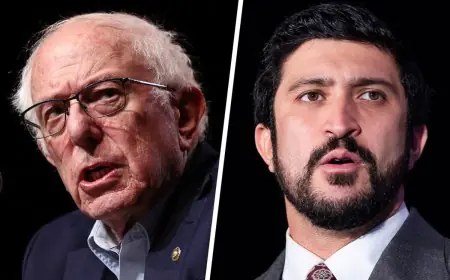
Sen. Bernie Sanders and Rep. Greg Casar have introduced the Ban Artificial Superintelligence Act, which would outlaw AI systems exceeding human cognitive performance, pause advanced AI development until a new cabinet-level Department of Artificial Intelligence writes safety rules, and impose up to 20 years in prison for violations.
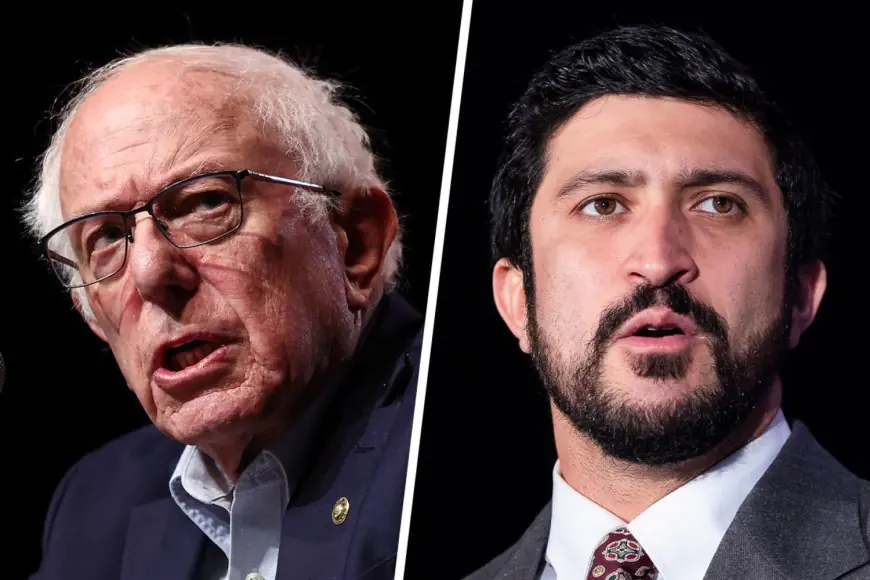
Congress just got its most aggressive AI bill yet, and it comes with prison time attached. Sen. Bernie Sanders and Rep. Greg Casar introduced the 19-page Ban Artificial Superintelligence Act on September 23, comparing the moment to a car racing toward a cliff. "You don't just ease up on the gas pedal," Sanders said. "You hit the brakes."


The bill's central definition is deliberately broad, targeting AI that "exceeds human cognitive performance and capabilities across most domains, or has sufficient capabilities to destroy or disempower humanity, including by overthrowing the federal government." A few mechanisms show how far the legislation actually reaches:
- It would pause advanced AI development entirely until a new cabinet-level Department of Artificial Intelligence, led by a Secretary of AI, writes federal safety rules and review processes
- Violators face what sponsors call a "corporate death penalty," plus up to 20 years in prison — the same penalty Sanders compared to unlawfully building nuclear weapons
- The bill also directs the government to pursue international agreements and export controls aimed at preventing superintelligence from being built anywhere, not just domestically
Casar framed the stakes bluntly: "Experts are warning that AI superintelligence, wielded by the wrong humans or by rogue AI, could kill countless numbers of people. But Donald Trump says he wants to encourage it. Something has to change."
The bill has already drawn public support from AI insiders themselves — OpenAI safety researcher Juan Felipe Cerón Uribe and Google DeepMind engineer Swante Scholz both endorsed it in statements shared with the AP, with Scholz calling a ban "a positive change for the foreseeable future."
Whether the bill goes anywhere is a separate question — it's one of several competing congressional AI proposals this year, and it lands directly opposite Trump's own UN speech rejecting any AI slowdown as a "hoax," meaning its path forward likely depends less on the merits of the argument and more on which side of that divide controls the calendar.