










































AI Advances Drive Breakthroughs in Disease Risk Modeling Quantum Computing and Ethics Shaping Healthcare and Governance
Recent AI advancements in predictive disease risk modeling, quantum computing, and AI ethics are transforming healthcare outcomes and redefining technology governance worldwide.

Artificial intelligence continues to revolutionize multiple domains, with significant progress in predictive disease risk modeling, quantum computing applications, and the evolving field of AI ethics. Together, these advancements are poised to transform healthcare delivery and establish new standards for technology governance.


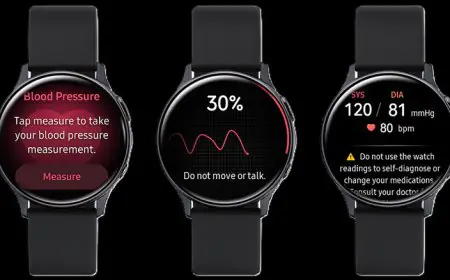
Predictive disease risk modeling powered by AI is enabling unprecedented early detection and personalized care. Advanced algorithms analyze vast and complex datasets—from genomics to electronic health records—providing clinicians with more accurate risk assessments for conditions such as diabetes, cancer, and cardiovascular diseases. This enables preventative interventions tailored to individual patient profiles, potentially reducing morbidity and healthcare costs globally.
At the same time, quantum computing is emerging as a game-changer for AI-driven healthcare research. By leveraging quantum processors’ ability to solve complex computations exponentially faster than classical computers, researchers can tackle challenges such as molecular simulations for drug discovery and optimization of treatment protocols. The synergy between AI and quantum technology promises to accelerate breakthroughs, shortening timelines for new therapies and personalized medicine.
As these powerful technologies become more integrated into healthcare systems, AI ethics has taken on heightened importance. Addressing issues like data privacy, algorithmic bias, transparency, and accountability is critical to building public trust and ensuring equitable AI benefits. Ethical frameworks and regulatory guidelines are rapidly evolving to govern AI’s responsible use in clinical decision-making and patient care.
These three interlinked areas—predictive modeling, quantum computing, and AI ethics—are shaping a future where healthcare is not only smarter and more precise but also fairer and safer. Policymakers, technologists, and medical professionals are collaborating to harness AI’s potential while proactively managing risks and societal impacts.
The continued convergence of AI innovation with ethical governance will define the trajectory of both healthcare quality and technology adoption worldwide. This dynamic progress signals a new era focused on leveraging AI responsibly to improve human health and societal well-being.