










































AI Breakthroughs Revolutionize Cardiovascular and Medical Imaging Precision
Recent AI innovations in echocardiography automation and miniaturized imaging tools enable unprecedented precision in detecting coronary risks, transforming cardiovascular care and medical diagnostics.
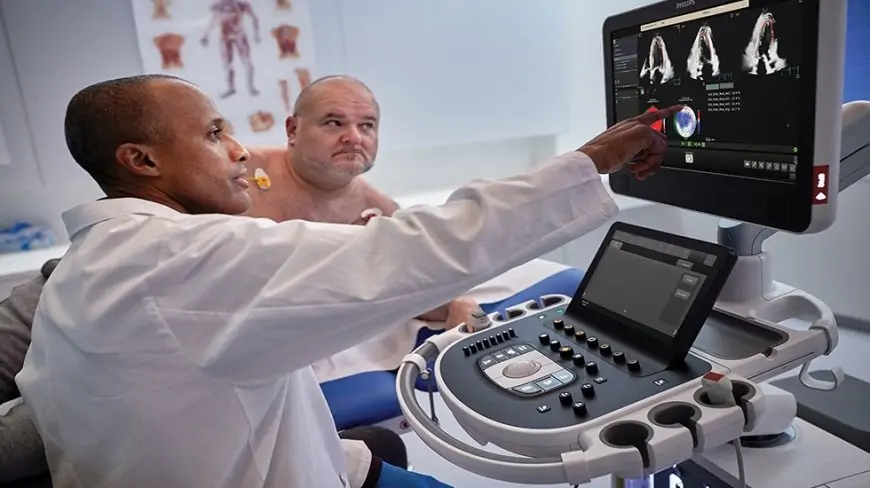
Artificial intelligence is driving remarkable breakthroughs in cardiovascular and medical imaging, reshaping the way heart diseases are diagnosed and managed. Recent advancements focus on AI-powered echocardiography and cutting-edge miniaturized imaging tools, delivering faster, more accurate, and less invasive assessments of cardiac health.

AI-powered echocardiography systems now automate the process of cardiac ultrasound analysis, a task traditionally requiring expert interpretation. These AI algorithms rapidly quantify heart function, identify abnormalities, and support early diagnosis of conditions such as heart failure and valve diseases. By automating image assessment, clinicians can reduce variability and improve diagnostic accuracy, enabling timely interventions and better patient outcomes.
In parallel, miniaturized AI-enabled imaging technologies are emerging to detect coronary risks with extraordinary detail. These compact devices integrate AI to analyze high-resolution imaging data from inside blood vessels, revealing early signs of plaque buildup and arterial blockages that often precede heart attacks. The ability to conduct precise, real-time imaging at the point of care offers unprecedented opportunities for preventative cardiology.
These AI-driven tools empower cardiologists with deeper insights while streamlining workflows. They reduce the need for invasive procedures, lowering patient risk and healthcare costs. As a result, cardiovascular care is becoming more personalized and proactive, with AI enhancing the detection of subtle indicators that might otherwise go unnoticed.
The impact of these developments extends beyond cardiology. Advances in AI medical imaging pave the way for improved diagnostics in other fields such as oncology, neurology, and pulmonology, demonstrating AI’s broad potential to revolutionize clinical decision-making.
Overall, recent AI innovations mark a turning point in cardiovascular imaging, melding powerful algorithms with sophisticated hardware to elevate diagnostic precision and patient care