











































China Wants Tighter Control Over Advanced AI
China has proposed restricting or banning exports of 40 technologies, including 23 AI technologies such as advanced large models and AI agents for sensitive environments, citing national security as its tech race with the US intensifies. The proposal does not name specific models.
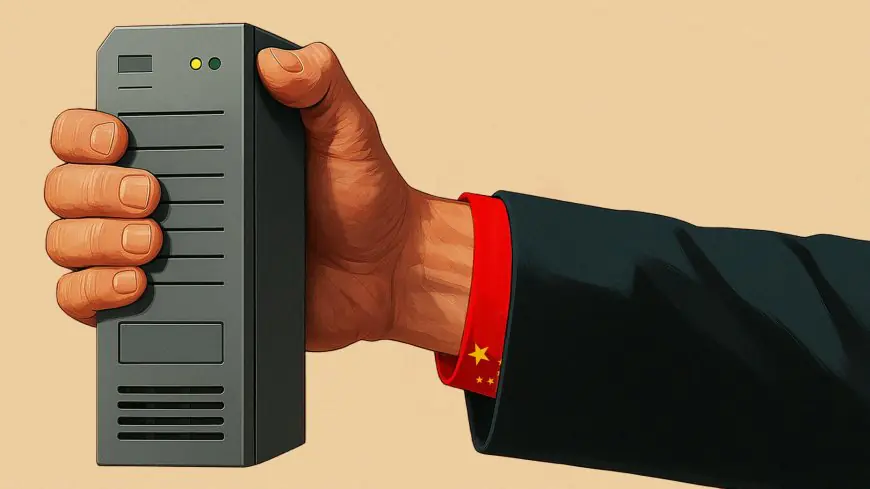
After years of US export bans, China is drawing up its own list. The Associated Press reports that on October 16, China said it plans to restrict or ban exports of 40 technologies spanning artificial intelligence, chips and solar power.


China's commerce ministry called the move "necessary" and cited national security as one of the reasons. It is a proposal, so details could still change.
AI makes up the largest share. Twenty-three of the listed technologies are AI-related, and the proposal splits them into those that would be banned outright and those that could be restricted:
- Exports of core technologies for AI large models trained on sensitive national data would be prohibited, along with AI agents designed for highly sensitive settings such as national defense and critical information infrastructure
- Exports of models with 2 trillion parameters or more, or certain world-leading capabilities, could be restricted
- Models such as Moonshot's Kimi K3 and Alibaba's Qwen 3.8-Max exceed that parameter count, but the proposal did not name specific models
The list goes beyond AI: 12 solar-related technologies, including those used to make polysilicon, and five biomedicine technologies, including cell and gene therapy, are also covered.
The timing is notable, since the proposal came as China and the US made progress in dialogues on AI safety and governance. For companies, the practical effect would be on how Chinese-developed AI is licensed or transferred to foreign firms and markets, which would add a Chinese approval step to a landscape long shaped by US controls.
Because the proposal is broad and names no models, the real impact will depend on the final list and on how strictly "restricted" is enforced, and Fortune's coverage frames it as the first time China has matched Washington's export-control approach at this scale.