










































Environmental Backlash Against AI Data Centers Is Intensifying Worldwide
Environmental advocates are increasing pressure over the energy and water consumption of AI data centers, highlighting a growing conflict between rapid AI expansion and sustainability goals. As the industry races to build out infrastructure, local communities and global watchdogs are pushing back.
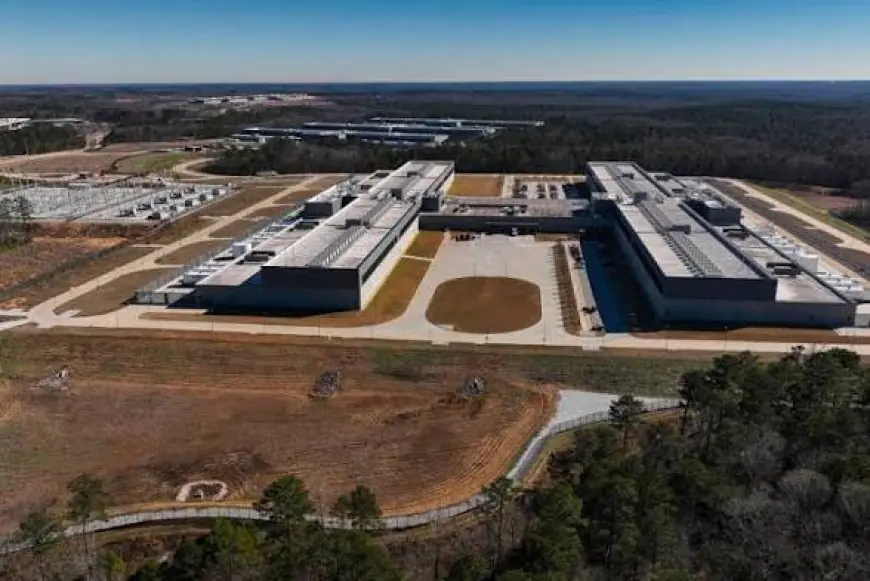
The rapid expansion of AI data centers is meeting growing resistance from environmental advocates, local communities, and regulators worldwide.


While the technology promises unprecedented economic growth, its physical infrastructure comes with significant costs: immense electricity consumption, heavy water usage for cooling, and substantial carbon footprints.
Data centers are projected to consume roughly 1,050 terawatt-hours of electricity globally by 2026, a figure comparable to the total energy consumption of countries like Japan.
In response, environmental groups are increasingly intervening in utility planning, challenging permits, and demanding strict sustainability standards for new projects.
"AI is the most energy-intensive technology of the modern era. If we don't put guardrails in place, the environmental cost will outweigh the economic benefits." – Recent commentary from environmental advocacy organizations
The point of friction is often local. Data centers require immense amounts of water to cool servers, competing with agricultural and residential needs. In drought-prone regions like Arizona, these projects have drawn significant opposition.
Furthermore, the strain on the electrical grid is becoming a central issue in utility rate cases, as consumer advocates express concern that the infrastructure costs for building new plants or transmission lines may be passed on to everyday residents and small businesses.
This has fueled a wave of political activism at the state and local level, with communities demanding more transparency and accountability.
These growing environmental concerns present a sustainability challenge for AI that the industry is only beginning to address.
As AI continues its rapid growth, the conflict between technological expansion and environmental stewardship is expected to escalate.
The industry faces a critical test: can it build the infrastructure for the AI era without compromising the sustainability goals of the communities it operates in?
The answer depends on whether companies can deliver on promised renewable energy commitments and develop more efficient cooling technologies—all while keeping pace with the insatiable demand for computing power.