













































Revolutionizing Sound with AI Powered Bone Conduction Headsets
Explore the transformative impact of AI-powered bone conduction headsets, enhancing sound experience, user health, and situational awareness.
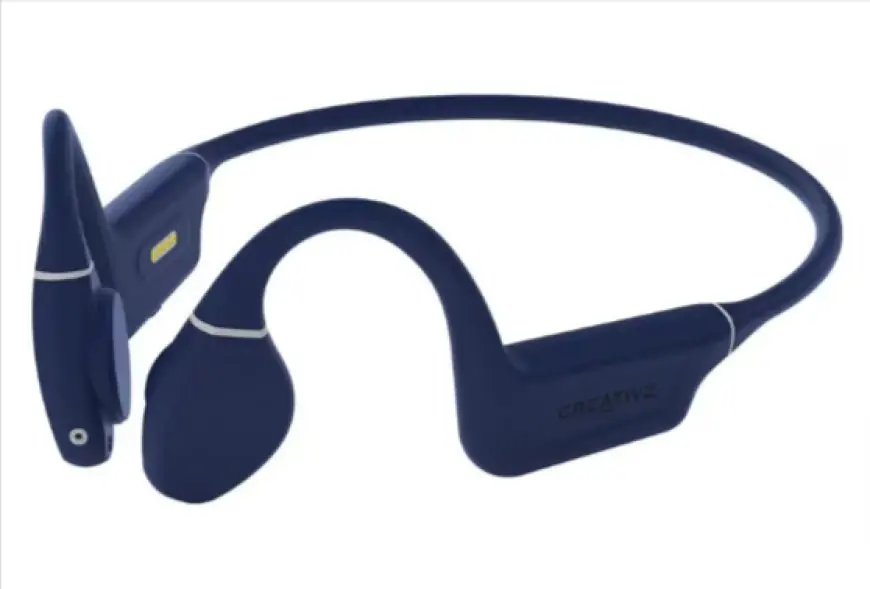
Revolutionizing Sound: The Rise of AI Powered Bone Conduction Headsets
In the ever-evolving world of technology, sound and audio have become integral aspects of our daily lives. From the way we listen to music to how we navigate our surroundings, the way we hear the world around us has been revolutionized by advancements in audio technology. One such innovation that has been gaining significant attention is the bone conduction headset, particularly those equipped with AI features. These headsets offer a unique blend of functionality, comfort, and situational awareness, making them a game-changer in the audio landscape.


What Are Bone Conduction Headsets?
Bone conduction headsets work by transmitting sound waves through the bones of the skull, bypassing the eardrum altogether. This method allows users to hear audio while keeping their ear canals open, which is crucial for maintaining situational awareness. Imagine being able to hear traffic signals while jogging or the chatter of colleagues while working in an open office space—bone conduction headsets make this possible without compromising on sound quality.
The Benefits of Bone Conduction
- Increased Situational Awareness: The primary advantage of bone conduction headsets is their ability to leave the ear canal open. This non-invasive design ensures that users remain aware of their surroundings, which is particularly important for safety in urban environments or during physical activities.
- Promoting Ear Health: Bone conduction headsets offer a tangible health benefit by reducing direct contact with the ear canal. This method alleviates pressure and discomfort often associated with traditional earphones, which can lead to issues like ear infections and impacted earwax.
- Comfort and Stability: These headsets are designed to rest against the temple rather than inside the ear. This structure provides stability and comfort during extended wear, making them ideal for activities like jogging, yoga, or even more intense exercises like crossfit.
AI Integration: Enhancing User Experience
The integration of AI into bone conduction headsets has elevated their functionality to new heights. For instance, some headsets come equipped with built-in AI trainers that deliver automatically generated exercise plans along with real-time notifications such as heart rate, pace, step count, and calories burned. This feature is particularly beneficial for runners, cyclists, and swimmers who need precise data to optimize their workouts.
Another innovative application of AI in bone conduction headsets is voiceprint recognition. This technology converts sound signals into electrical signals for identification purposes. By using bone conduction sensors, voiceprint recognition can achieve higher accuracy due to the unique characteristics of each person's skull and timbre.
Practical Applications
- Accessibility Technology: The ARx AI Headset, designed for individuals with minimal functional vision, uses bone conduction technology to provide audio descriptions of visual information. This is especially useful in educational settings, workplaces, and daily activities where visual cues are essential.
- Fitness and Sports: Mojawa’s new bone conduction headphones feature an AI sports coach that generates personalized exercise plans and provides real-time notifications. These headsets are IP68 water-resistant, making them ideal for swimmers and runners who need reliable audio during their routines.
- Workplace Benefits: The open design of bone conduction headsets fosters better workplace interactions by allowing users to hear colleagues without removing the headphones. This feature promotes a more collaborative and aware work environment.
Why Choose Bone Conduction Headsets?
Bone conduction headsets offer a unique blend of benefits that cater to specific needs and preferences. They promote ear health, comfort, and situational awareness, making them a superior choice for active users. While challenges such as sound leakage and higher costs exist, the advantages of bone conduction technology make it a worthwhile investment for those prioritizing safety and health over absolute sound quality.
Final Thoughts
As technology continues to evolve, we can expect even more innovative applications of AI in bone conduction headsets. With their ability to enhance accessibility, improve fitness routines, and promote ear health, these devices are poised to play a significant role in shaping the future of audio technology. Whether you're a fitness enthusiast or an individual with unique needs, bone conduction headsets with AI features are definitely worth exploring.
Key Features of AI-Powered Bone Conduction Headsets
- AI Sports Coach: Automatically generates exercise plans and provides real-time notifications on heart rate, pace, step count, and calories burned.
- Voiceprint Recognition: Converts sound signals into electrical signals for identification purposes, offering higher accuracy due to unique skull and timbre characteristics.
- Accessibility Technology: Translates visual information into audio descriptions for individuals with minimal functional vision.
- Situational Awareness: Keeps the ear canal open, allowing users to hear environmental sounds while listening to audio.
- Ear Health Benefits: Reduces direct contact with the ear canal, alleviating pressure and discomfort associated with traditional earphones.