








































Why Trump Wants AI Data Centers to Pay Their Neighbors Before the Midterms
Trump told AI data center builders to pay host communities a dividend and make their own power, but the best known cash offer, $10,000 per household in Pennsylvania, has already been turned down.
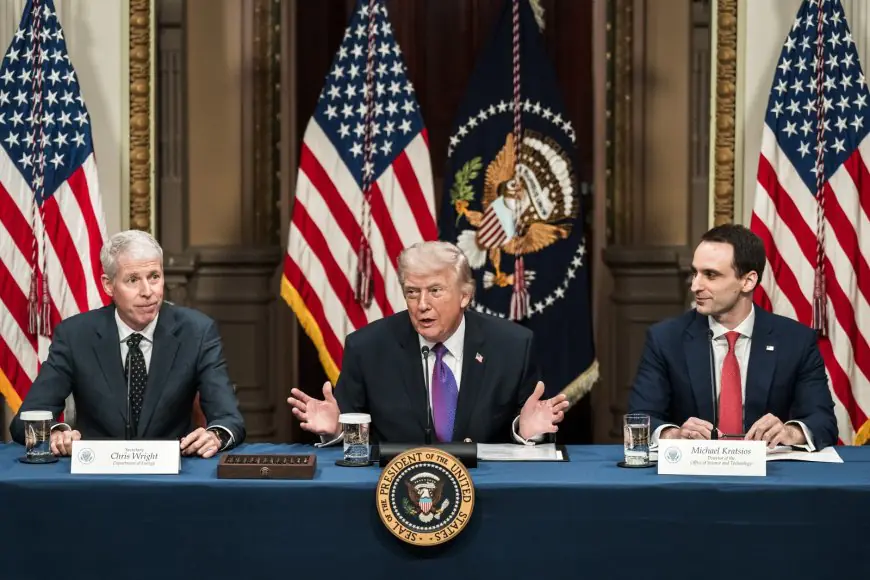
Donald Trump has a new pitch for the AI buildout: if people hate the data center going up down the road, pay them. In a Truth Social post early Wednesday, the president told companies to share the money with the towns that host their facilities and to bring their own power.


The timing is hard to miss. The midterm elections are on November 3, and an ABC News/Washington Post/Ipsos poll released the same day found 72 percent of respondents opposed building new data centers in their communities, according to Al Jazeera. A Gallup poll in March put that number at 71 percent. Trump's answer is to put a price on local consent. The question is whether consent is for sale at all.
"I have watched the process closely, and Data Centers that were highly unpopular in a certain area, have become extremely popular when a financial deal is struck. MAKE DEALS, and get them built!!! GREAT FOR THE U.S.A." Donald Trump, on Truth Social
A mandate with no paperwork
The same post went further on electricity. "New and large, in some cases gigantic, Data Centers are mandated by me to make their own electricity, and give or sell any excess back to the local community, or grid," Trump wrote, as quoted by CNBC. He added that there "could be a substantial decrease" in power prices.
The word "mandated" is doing a lot of work. The post did not cite an executive order, a rule or any agency action, and none of the coverage from CNBC, Reuters or Al Jazeera pointed to one. Al Jazeera reported that Trump has backed a voluntary pledge by AI companies to cover the full cost of the electricity their data centers use, while avoiding legally binding federal restrictions. The Hill reported that dozens of companies, including Meta, Amazon and Google, have signed on to that ratepayer protection pledge.
For now, this is a statement of intent, not policy.
The town that already said no to the check
There is a real-world test of the dividend idea, and it has not gone well. In Hazle Township, Pennsylvania, developer NorthPoint Development offered $10,000 to each of roughly 4,500 households as part of a $165 million package to win approval for its Project Hazelnut data center, according to lehighvalleylive.com. Township supervisors rejected the project anyway in November 2025, and a six-month moratorium on data center development runs until December.
Residents interviewed for the Power Play reporting project were blunt. "It's like bribery," Hazle Township resident Brian Malloy told syracuse.com.
NorthPoint is not giving up. It is hosting a community open house on October 22 and soliciting $10,000 grant proposals from local groups. Its chief marketing officer, Brent Miles, told The Wall Street Journal the company had converted close to 100 initially skeptical residents.
Industry is listening, carefully
At least one AI infrastructure company is open to the concept. Speaking to CNBC at Nvidia's GTC Berlin conference, Nebius Chief Revenue Officer Marc Boroditsky said the company is "100% in principle" having discussions about investing in communities.
"A dividend is being paid in different forms, investing in education, job development, overall economic development. The concept that the president identified... it's not crazy to consider something like that." Marc Boroditsky, Nebius
That is the version developers already offer. Hazle Township suggests direct cash does not automatically beat worries about water, noise and power bills, which are the same concerns we tracked in our report on the environmental backlash against AI data centers.
Why this is now a Republican problem too
Opposition is no longer a partisan issue. Al Jazeera reported that Republican Senate candidates Ken Paxton in Texas, Mike Rogers in Michigan and John Husted in Ohio have all called for more restrictions and oversight on data centers, reversing earlier positions. In August, Trump had dismissed the "anti-Data Center movement" and wrote that communities rejecting the facilities would end up "backwards and poor."
Wednesday's post keeps the destination the same and changes the sales pitch. Voters in places like Hazle Township are already answering whether a dividend can close the deal.