




The Enchanted Canvas How Text-to-Image Generation is Redefining Artistry
Explore how text-to-image generation is transforming artistry by bridging the gap between language and visuals, while also raising ethical questions about creativity.
The Rise of AI-Powered Image Creation
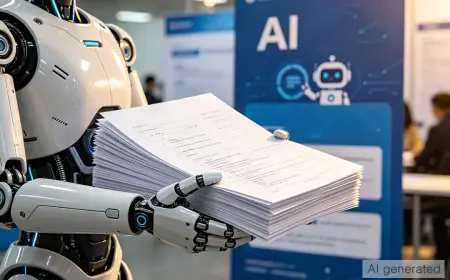
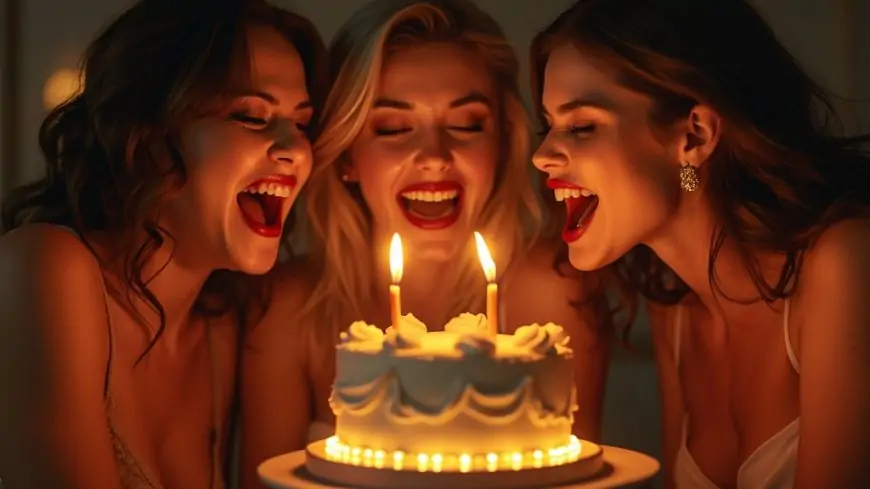
A revolutionary technology is transforming the way we create visual content, raising both excitement and concern across the creative industry. Text-to-image AI systems, which turn written descriptions into detailed artwork within seconds, are quickly becoming a game-changer in the world of digital creation. Learn more about this transformative technology in this comprehensive guide to AI image generation.

"We're witnessing a fundamental shift in how visual content is created," says Dr. Sarah Chen, a digital arts professor at Stanford University. As detailed in Upscale Media's analysis of AI art trends, "What once took hours or days can now be accomplished in minutes."
How It Works
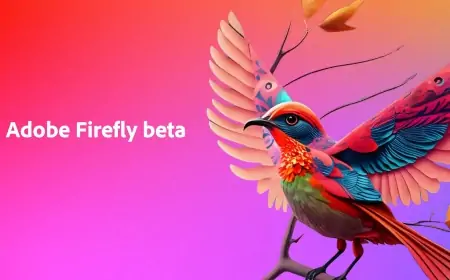
At the heart of this technology lies a sophisticated system of artificial intelligence, particularly the breakthrough DALL·E system by OpenAI. Using a massive 12-billion parameter model, it processes text descriptions and generates corresponding images with remarkable accuracy. The system relies on three key technologies:
- Generative Adversarial Networks (GANs)
- Variational Autoencoders (VAEs)
- Deep Convolutional Networks (DCNs)
These neural networks, as explained in Gartner's report on collaborative intelligence, have been trained on millions of text-image pairs, enabling them to understand and create visual content from written descriptions with unprecedented precision.
Impact on Creative Industries
The ripple effects are already being felt across multiple sectors. According to Well Done Marketing's industry analysis, marketing agencies report significant time savings in creating campaign visuals, while smaller businesses now have access to custom artwork at a fraction of traditional costs.
"Our productivity has doubled since implementing AI image generation," reports Michael Torres, Creative Director at Digital Frontier, a New York-based advertising agency. "What used to require multiple rounds with illustrators can now be explored and refined in a single afternoon."
Professional Concerns and Opportunities
However, not everyone in the creative community is celebrating. Professional illustrators and artists express concerns about job security and artistic authenticity. "We're seeing a real threat to traditional artistic careers," warns Lisa Montgomery, spokesperson for the Artists Guild of America. "While the technology is impressive, it raises serious questions about the future of human creativity."
Economic Impact and Future Prospects
The technology's impact extends beyond artistic concerns. Small businesses and startups are finding new opportunities to compete with larger corporations in visual content creation. A recent industry survey revealed that 67% of small businesses reported significant cost savings using AI image generation tools compared to traditional design services.
Ethical Considerations
The rapid adoption of text-to-image AI has sparked intense debate about intellectual property rights. Legal experts are grappling with unprecedented questions: Who owns the rights to AI-generated artwork? How should artists be compensated when their styles are mimicked by AI systems?
"We're in uncharted territory," explains James Harrison, an intellectual property lawyer at Thompson & Mills. "Current copyright laws weren't written with AI-generated art in mind. We need new frameworks to address these challenges."
Looking Forward
Despite the controversies, the technology continues to advance. Industry analysts predict the global market for AI-generated content will reach $15 billion by 2025, signaling a permanent shift in how visual content is created and consumed.
As this technology evolves, one thing becomes clear: the relationship between human creativity and artificial intelligence is being redefined. Whether this partnership will enhance or diminish human artistic expression remains a crucial question for the creative industry to answer.