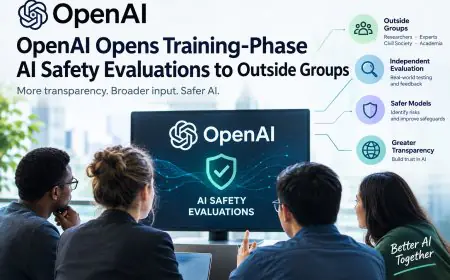



























Illinois AI Accountability Bill (SB 315) Could Change AI Regulation Across America
Illinois lawmakers have unanimously passed the landmark AI Accountability Bill SB 315, introducing new transparency and safety standards for major artificial intelligence companies. The bill, backed by OpenAI and Anthropic, highlights the growing push for state-level AI regulation in the United States.
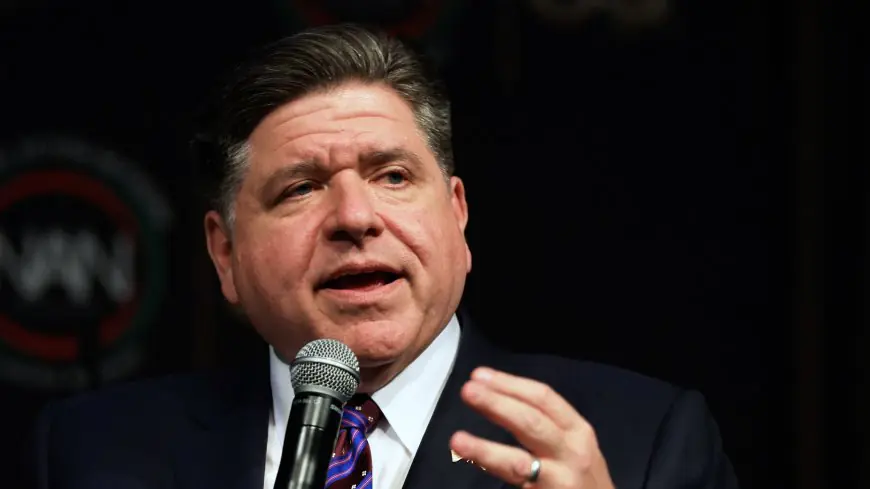


Illinois Approves Landmark AI Accountability Bill
Illinois lawmakers have unanimously passed one of the most significant artificial intelligence bills in the United States, signaling a growing shift toward state-level AI regulation. The proposed legislation, known as SB 315, cleared the Illinois House with a decisive 110-0 vote and is already drawing national attention for its aggressive approach to AI transparency and accountability.
The bill specifically targets major AI developers generating more than $500 million in annual revenue, placing some of the world’s most influential technology companies directly under the spotlight. Lawmakers behind the proposal say the goal is to ensure advanced AI systems are developed responsibly as artificial intelligence rapidly expands into healthcare, education, finance, media, and public services.
Why SB 315 Is Getting National Attention
What makes the Illinois legislation especially notable is the broad support it has received from both political leaders and major AI companies. Industry giants including OpenAI and Anthropic reportedly backed the measure during the legislative process, a move many analysts view as a sign that leading AI firms are becoming more open to structured regulation.
The bill closely mirrors AI accountability frameworks recently introduced in California and New York. With the federal government still struggling to finalize nationwide AI rules, several states are now moving independently to establish safety standards and consumer protections surrounding advanced AI systems.
Technology policy experts say Illinois may now become one of the most influential testing grounds for future AI governance in America. If successful, the legislation could inspire similar laws across multiple states in the coming years.
What the Illinois AI Bill Could Require
Although final implementation details are still being refined, SB 315 is expected to focus heavily on transparency requirements for large-scale AI developers. Companies covered under the legislation may be required to disclose information related to model training, risk assessments, and safety evaluations.
- Transparency standards for advanced AI systems
- Safety reporting obligations for major AI companies
- Risk assessment procedures tied to powerful AI models
- Consumer protection measures addressing harmful AI outcomes
Supporters argue that stronger oversight is necessary as AI systems become increasingly capable of generating realistic text, images, and automated decisions that can directly impact consumers and businesses.
AI Companies Are Beginning to Embrace Regulation
The support from OpenAI and Anthropic represents a major shift in the conversation surrounding artificial intelligence regulation. Instead of opposing oversight entirely, several leading AI firms now appear willing to work alongside lawmakers to establish clear operating standards for the industry.
Experts believe many companies understand that public trust will become essential for long-term AI adoption. Without clear safeguards, concerns surrounding misinformation, bias, cybersecurity threats, and job disruption could slow public acceptance of advanced AI technologies.
According to reporting from Reuters, lawmakers across the United States are accelerating efforts to introduce independent AI regulations as pressure mounts for stronger accountability in the sector.
Why Illinois Could Influence the Future of AI Policy
The unanimous approval of SB 315 sends a powerful message to the broader technology industry. State governments are no longer waiting for federal agencies to define the future of AI oversight. Instead, lawmakers are moving quickly to establish rules around transparency, safety, and corporate responsibility.
As global competition in artificial intelligence intensifies, Illinois may have positioned itself at the center of one of the most important technology policy debates of the decade. Whether other states follow its lead could determine how artificial intelligence is regulated across America moving forward.