





































Meta Hatch AI Could Change Social Media And Digital Assistants Forever
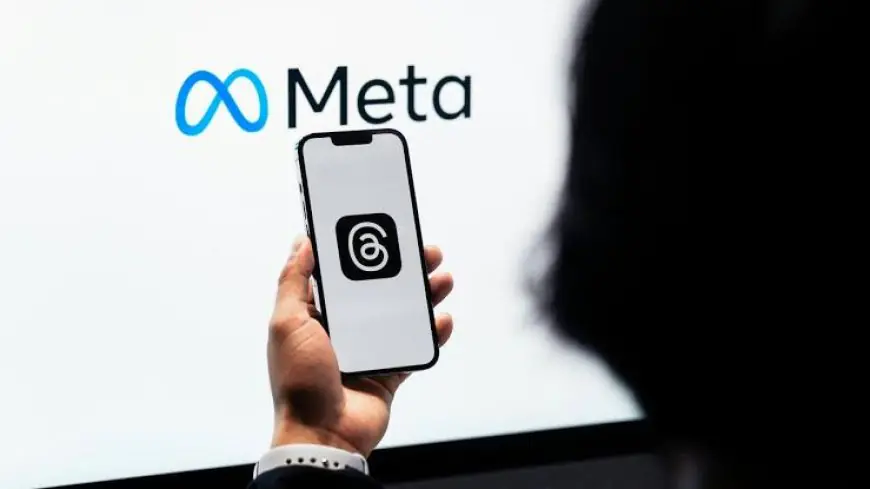
Meta is reportedly preparing to launch Hatch, a next-generation autonomous AI assistant powered by its Muse Spark model. The AI system is designed to perform real-world tasks across WhatsApp, Instagram, and Facebook, signaling Meta’s biggest push yet into the competitive AI assistant market

Meta Reportedly Preparing Hatch AI Assistant for Billions of Users
The Information reports that Meta is quietly finalizing a powerful autonomous AI assistant known internally as Hatch, a system expected to become one of the company’s most ambitious artificial intelligence projects to date. Unlike traditional chatbots that mainly answer prompts, Hatch is reportedly being designed to actively complete tasks across Meta’s massive ecosystem of apps, including WhatsApp, Instagram, and Facebook.
The timing is significant. The global AI race has rapidly shifted from simple conversational tools toward autonomous digital agents capable of carrying out actions on behalf of users. Meta appears determined not to fall behind rivals such as OpenAI, Google, and Microsoft, especially as consumers increasingly demand AI systems that can manage workflows, conduct research, summarize information, and automate digital tasks.
What Makes Hatch Different From Earlier AI Chatbots
According to reports, Hatch will be powered by Meta’s new Muse Spark model, an advanced AI framework reportedly built to support cross-platform functionality. This means the assistant may not stay confined to a single app or interface. Instead, users could potentially ask Hatch to draft messages on WhatsApp, organize business conversations on Messenger, search for content on Instagram, or gather information from multiple sources simultaneously.
That level of integration could give Meta a major advantage. Few companies control communication, social networking, and advertising platforms at the scale Meta does. With more than 3.5 billion people using at least one Meta platform daily, Hatch could instantly become one of the most widely distributed AI assistants in the world.
The development also reflects a broader shift in how tech companies are approaching AI products. The industry is moving beyond standalone chatbots toward intelligent agents capable of acting independently. Instead of simply generating text, these systems are increasingly expected to execute multi-step tasks with minimal user involvement.
Why The AI Industry Is Watching Meta Closely
Meta has invested heavily in artificial intelligence over the past two years, especially in open-source large language models and AI infrastructure. While competitors have focused on subscription-based AI products, Meta has largely pursued an ecosystem strategy that embeds AI directly into platforms people already use every day.
Industry analysts believe Hatch could become a direct challenge to emerging autonomous AI ecosystems being developed by OpenAI and other major players. If successful, the assistant may reshape how billions of people interact with social media, messaging, online search, and productivity tools.
There are also major commercial implications. AI assistants capable of understanding user habits across multiple apps could dramatically improve advertising personalization, customer engagement, and business automation. This would strengthen Meta’s position in the highly competitive digital advertising market while opening new revenue opportunities tied to AI services.
Privacy And Trust Questions Could Define Hatch Success
Despite the excitement surrounding the project, privacy experts are expected to closely scrutinize how Hatch handles user data. Since the assistant may potentially operate across personal messages, social activity, and digital behavior, concerns about transparency and data protection will likely intensify as Meta reveals more details.
MediaPost notes that Meta’s aggressive AI expansion comes at a time when regulators worldwide are increasing oversight of artificial intelligence systems. How Meta balances convenience, automation, and user privacy may ultimately determine whether Hatch becomes a breakthrough success or another controversial AI experiment.
For now, Meta has not officially unveiled Hatch publicly, but the reported project already signals where the future of consumer AI may be heading. The next generation of digital assistants will likely do far more than chat. They may soon manage large parts of users’ online lives automatically, and Meta clearly wants to be at the center of that transformation.