










































WarMatrix AI The Future Of Modern Warfare
The U.S. Air Force has unveiled WarMatrix, an advanced operational AI system designed to simulate complex combat scenarios with unprecedented realism and real-time reasoning. The development marks a major step in military AI integration as global defense agencies accelerate investment in intelligent warfare technologies.


US Air Force Introduces A New Era Of Military AI
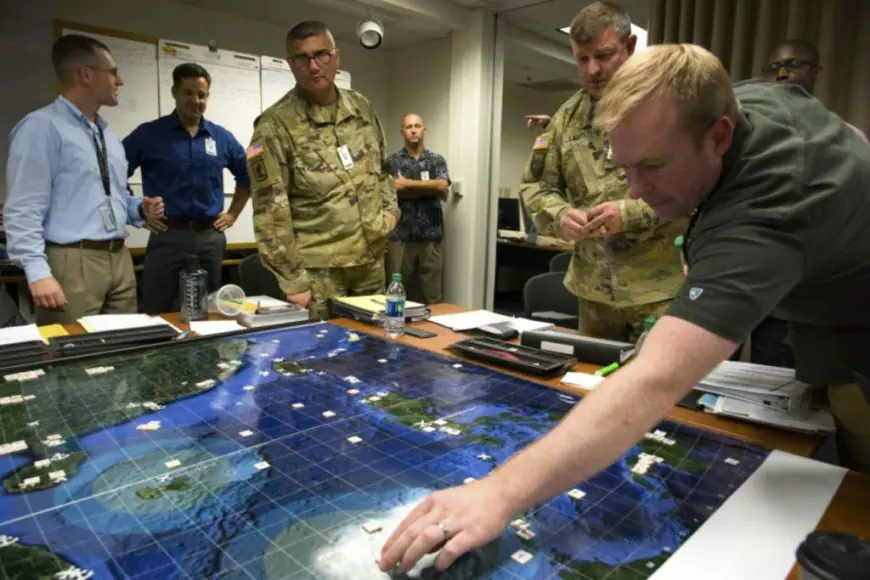
The United States Air Force has officially introduced WarMatrix, a next-generation artificial intelligence system built to simulate high-stakes military scenarios with a level of realism and strategic analysis that traditional war simulations have struggled to achieve. The launch represents one of the clearest signs yet that AI is becoming deeply integrated into modern military planning and operational strategy.
Unlike older simulation platforms that relied heavily on scripted outcomes and limited battlefield variables, WarMatrix is reportedly designed to process real-time information, adapt dynamically to changing conditions, and generate highly detailed combat scenarios based on evolving tactical decisions. Defense analysts say the system could significantly improve military preparedness by allowing commanders to test strategies under far more realistic conditions.
How WarMatrix Changes Military Simulations
Traditional war simulations have long played an important role in military planning, but they often lacked the speed and complexity required to fully model modern conflicts. WarMatrix reportedly addresses those limitations by using advanced AI reasoning capabilities to simulate battlefield behavior, logistics, communications breakdowns, cyber attacks, and rapidly shifting operational environments.
The system is expected to help military planners evaluate countless potential outcomes within minutes, allowing defense teams to identify weaknesses, optimize responses, and prepare for scenarios that may be difficult to predict using human analysis alone.
According to reports from Reuters, defense agencies worldwide are increasingly adopting artificial intelligence technologies to improve strategic decision-making, surveillance systems, autonomous operations, and military intelligence processing.
Experts believe WarMatrix may also assist with training exercises by creating adaptive scenarios that evolve based on participant decisions rather than following predetermined scripts. This could make military drills more challenging, realistic, and valuable for operational readiness.
Why Global Militaries Are Accelerating AI Investments
The launch of WarMatrix reflects a broader global race to integrate artificial intelligence into defense infrastructure. Countries including the United States, China, Russia, and several NATO members are investing heavily in military AI systems designed to strengthen intelligence gathering, cybersecurity, autonomous defense systems, and battlefield coordination.
Military strategists increasingly view AI as a critical advantage in future conflicts because of its ability to process massive amounts of information far faster than human analysts. In high-pressure combat situations, rapid data interpretation and predictive modeling could influence strategic decisions within seconds.
However, the growing role of AI in warfare has also sparked serious ethical and geopolitical debates. Critics warn that advanced military AI systems could increase the speed of conflict escalation while reducing meaningful human oversight during critical operational decisions.
The Debate Over AI And The Future Of Warfare
Supporters of military AI argue that systems like WarMatrix could ultimately reduce casualties by improving preparedness, minimizing strategic errors, and helping commanders respond more effectively to evolving threats. Enhanced simulations may also allow defense agencies to anticipate vulnerabilities before conflicts occur.
At the same time, international organizations and policy experts continue raising concerns about accountability, transparency, and the long-term risks of increasingly autonomous military systems. Some analysts fear the rapid adoption of AI in defense operations may outpace the development of international regulations governing how these technologies should be used.
Coverage from Bloomberg has highlighted how artificial intelligence is quickly becoming one of the most strategically important technologies shaping global military competition and national security planning.
For the U.S. Air Force, WarMatrix represents more than just a new simulation platform. It signals a major transformation in how military organizations prepare for future conflicts in an era where artificial intelligence, data dominance, and rapid decision-making are becoming central to modern warfare strategy.