


































LTX Open Source Text-to-Video Model: A Promising Start, but Not Production-Ready Yet
An in-depth analysis of Lightricks' LTX Video model, the first DiT-based open-source text-to-video generator, examining its capabilities, limitations, and potential for professional applications.
In a significant development for the democratization of AI video generation, Lightricks has released LTX Video, the first DiT-based open-source video generation model that promises real-time video creation on consumer-grade hardware. While this release marks a notable milestone in accessible AI video technology, our analysis reveals both promising features and significant limitations that currently restrict its viability for professional production environments.


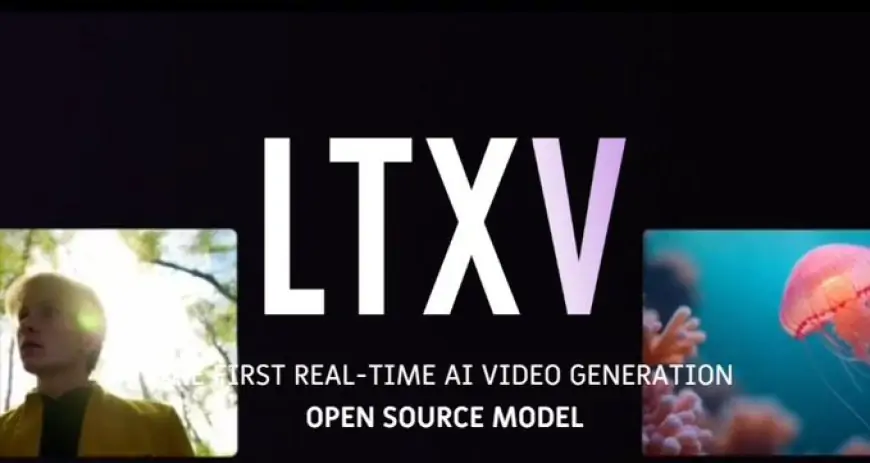
Key Capabilities and Technical Specifications:
- Real-time video generation at 24 FPS with 768x512 resolution
- Minimal hardware requirements: Only 6GB VRAM needed
- Dual functionality: Support for both text-to-video and image+text-to-video generation
- Efficient processing: 4-second video generation in approximately 20 seconds on RTX 4090
- Compact model size: 2 billion parameters
- Resolution support up to 720 x 1280
- Frame limit of 256 frames
Strengths:
- Accessibility: The model's relatively modest hardware requirements make it accessible to individual creators and small studios.
- Open Source Nature: Full access to the codebase available on Github which enables customization and community improvements.
- Processing Speed: Generation times are impressive for consumer-grade hardware.
- Dual Input Flexibility: The ability to generate from both text and image inputs provides creative versatility.
Limitations:
- Resolution Constraints: The maximum resolution of 720 x 1280 falls short of modern professional video standards, particularly for commercial applications requiring 1080p or 4K output.
- Quality Consistency: While the output quality can be impressive for its size, results show inconsistency across different prompts and scenarios, making it challenging to rely on for professional workflows.
- Frame Limitations: The 256-frame limit restricts the creation of longer sequences, necessitating additional post-processing for extended content.
- Control and Precision: The model currently lacks fine-grained control over generated content, a crucial feature for professional video production pipelines.
Future Potential and Development Opportunities:
Despite its current limitations, LTX Video represents a significant step forward in accessible video generation technology. The open-source nature of the project creates opportunities for:
- Community-driven improvements and optimizations
- Integration with existing video production tools
- Development of specialized versions for specific use cases
- Enhancement of resolution and frame limit capabilities
Professional Implementation Recommendations:
For organizations considering LTX Video implementation:
- Prototype Development: Ideal for rapid prototyping and concept visualization
- Educational Use: Excellent for training and educational environments
- Content Experimentation: Suitable for testing creative concepts before full production
- Backup Generation Tool: Can serve as a supplementary tool in broader video production pipelines
Conclusion:
Although LTX Video demonstrates potential as an open-source text-to-video generation model, it currently does not meet the standards required for professional-grade video production. However, its accessibility, speed, and room for community-driven enhancements position it as a significant step forward in AI video generation. For now, tools like OpenAI's Sora, Kling AI, and RunwayML continue to lead the field.
The release of LTX Video represents an important step toward democratizing AI video generation, but professional users should maintain realistic expectations about its current capabilities while staying optimistic about future developments in this rapidly evolving technology.