














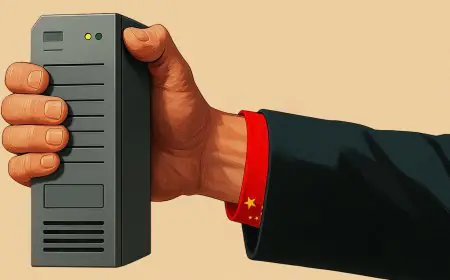






























Geopolitical AI Race: China Pledges 5,000 AI Training Slots to Developing Nations in Governance Push
At the World AI Conference, Chinese President Xi Jinping launched a sweeping Global South initiative, offering 5,000 AI training slots to emerging economies and establishing a new international governance body to counter Western technological dominance.
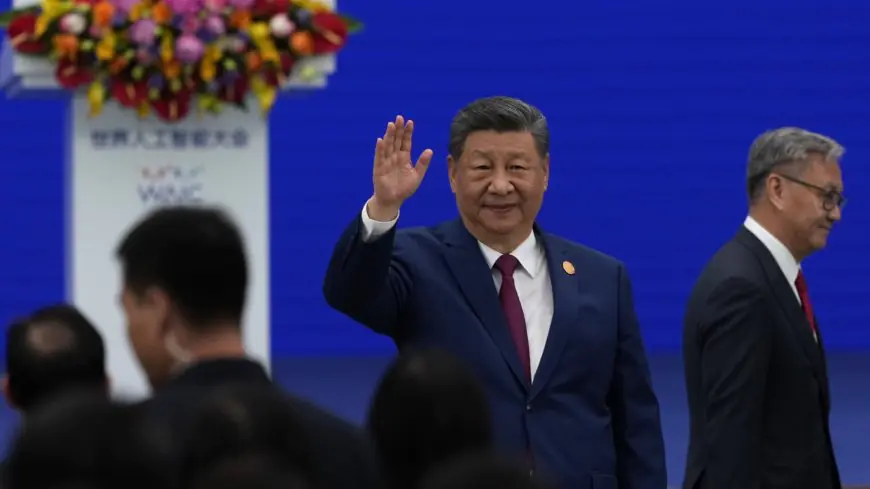
China has intensified the global artificial intelligence competition by unveiling an ambitious international cooperation plan that includes 5,000 AI training opportunities for developing countries.


Speaking at the World AI Conference (WAIC), President Xi Jinping positioned China as a long-term partner for emerging economies seeking AI expertise, digital infrastructure, and regulatory guidance.
The announcement arrives as geopolitical tensions surrounding advanced semiconductors and AI technologies continue to reshape international technology alliances. Analysts believe Beijing is attempting to build influence through education, standards, and infrastructure rather than hardware exports alone.
According to World AI Conference, the initiative forms part of China's broader vision for international AI collaboration.
The proposal extends beyond technical education. It reflects China's growing ambition to influence the future of AI governance, particularly among nations seeking alternatives to Western-led regulatory frameworks.
As Xi stated, "Artificial intelligence should become an international public good that benefits humanity." Business leaders note that stronger AI capabilities across developing economies could accelerate digital transformation while creating new commercial opportunities for Chinese cloud providers, chipmakers, and enterprise software companies.
The announcement highlights that the AI race is increasingly about influence, talent, and international standards—not only breakthrough models.
While the United States continues emphasizing export controls and frontier AI leadership, China is investing in relationships that could shape how future AI policies are adopted across emerging markets.
Industry observers expect this strategy to deepen China's diplomatic and commercial ties while increasing competition over global AI governance.
For businesses, investors, and policymakers, the move signals that the next phase of AI competition will be defined as much by partnerships and workforce development as by technological innovation itself.