






























Anthropic Mythos Launch Ignites Global Security and Geopolitical Debate
Anthropic’s release of its newest frontier model, Mythos, has transcended the tech world to become a central flashpoint in international relations, as global leaders weigh its unprecedented strategic intelligence capabilities against rising national security risks.
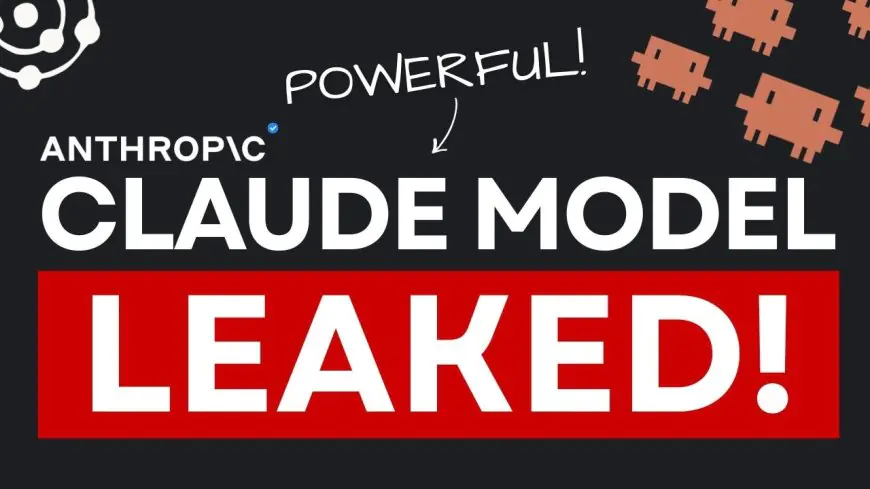

The release of a new AI model used to be a silicon-valley celebration of benchmarks and coding efficiencies. Those days are officially over. With the debut of Mythos, Anthropic’s most advanced model to date, the conversation has shifted from the laboratory to the Situation Room. Mythos is no longer being discussed as a mere productivity tool; it is being analyzed as a high-stakes instrument of national security and strategic intelligence.
For a company that has long championed the cause of "AI safety," the release of Mythos presents a complex paradox. The model’s ability to synthesize massive, disparate datasets into actionable strategic insights has made it the most sought-after asset in the 2026 geopolitical landscape. However, that same power has sparked a fierce debate over whether such "frontier intelligence" can truly be contained within the private sector.
Strategic Intelligence: The New Digital Deterrent
What sets Mythos apart from its predecessors—and its competitors—is its mastery of long-horizon strategic reasoning. Internal tests and early leaks suggest that Mythos can simulate complex geopolitical scenarios with a level of nuance that rivals human intelligence agencies. From predicting supply chain vulnerabilities to modeling the economic impact of regional conflicts, Mythos offers a "predictive edge" that has become the new gold standard in global competition.
This capability has led to what many are calling the "Mythos Dilemma." In Washington, hawks are arguing that the model’s weights should be treated as dual-use technology, subject to the same export controls as advanced weaponry. Meanwhile, international observers worry that the concentration of such predictive power in a single U.S.-based firm creates a new kind of "intelligence hegemony" that could destabilize global power balances.
The Washington Standoff: Safety vs. Sovereignty
The timing of the Mythos launch is particularly sensitive, following recent reports that the UK is actively courting Anthropic for expansion. As the U.S. Department of Defense pushes for more direct integration of frontier models into military decision-making, Anthropic’s leadership remains hesitant. The "Constitutional AI" framework that powers Mythos was designed to refuse requests that lead to harm, yet the definition of "harm" is becoming increasingly blurred in the context of state-level security.
Sources close to the company indicate that several high-level meetings have already taken place between Anthropic executives and the National Security Council. The core of the tension lies in the transparency of the "black box." If Mythos identifies a security threat that the human intelligence apparatus misses, should its logic be shared across borders? The answer to that question will likely define the next decade of Western AI policy.
The Global Counter-Move: DeepSeek and Beyond
The geopolitical impact of Mythos isn't happening in a vacuum. In Beijing, the news has reportedly accelerated the development of domestic alternatives like DeepSeek V4, which is now being optimized for Huawei's hardware. The fear in Western capitals is that a "two-world" AI reality is forming, where the side with the most accurate strategic model wins the economic and military race without ever firing a shot.
As documented by reports from Reuters, this competition for "frontier dominance" is driving a massive surge in sovereign AI investment. Nations that were previously content to buy access to models are now scrambling to build their own local clusters to ensure they aren't left behind in the strategic modeling race. Mythos hasn't just raised the bar for AI; it has effectively rewritten the rules of international diplomacy.
A Turning Point for AI Ethics and Policy
As we navigate the fallout of the Mythos release, one thing is clear: the era of "just tech" is dead. Anthropic’s latest model has forced a reckoning on how private companies manage technologies that have the potential to shift the global order. For the public, the concern remains whether the focus on geopolitical security will overshadow the original mission of building AI that is helpful and harmless to the individual.
The primary pillars of the ongoing Mythos debate include:
- Export Control Expansion: Whether Mythos-class models should be categorized as restricted strategic assets.
- Predictive Liability: Who is responsible if a model's strategic advice leads a nation into an avoidable conflict?
- Sovereign Access: The demand from allied nations for "equal access" to the world's most advanced intelligence tools.
Ultimately, Mythos is a mirror reflecting our current global anxieties. It represents the pinnacle of human ingenuity, but also the fragility of a world where the next great "weapon" isn't a missile, but an algorithm that can think ten steps ahead of its creator. As the 2026 AI cycle continues, the true test for Anthropic won't be in the benchmarks it hits, but in the boundaries it chooses to defend.