











AI Memorial Videos Continue Raising Ethical Questions in South Korea
A growing number of South Korean families are using AI-generated videos to recreate deceased relatives, highlighting both the emotional potential of generative AI and ongoing ethical concerns surrounding digital remembrance, consent, and the boundaries between healthy mourning and emotional dependency.
When Lee Geon Hui wanted to give his father a meaningful gift, he turned to artificial intelligence.

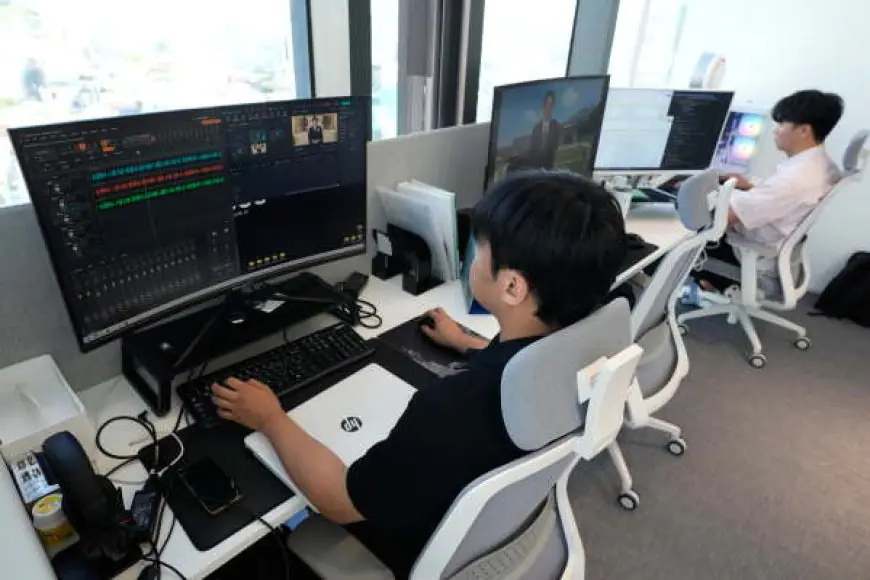
He hired the Seoul-based tech company Vaice to create a short video showing a digital likeness of his late grandfather delivering a personalized message.
The virtual character called his father "my most precious son" and apologized for past conflicts. His father wept. "So I felt rewarded," Lee said.
Vaice now serves approximately 300 customers per month, mainly people in their 40s and 50s who want videos of their late parents.
For about $390, the company creates a three-to-five-minute clip using a few photos and short voice samples.
Many customers play these videos during family memorial rituals, with scripts often including words of love or apologies for unresolved conflicts.
"As AI technologies become part of people's lives, they can also bring about cultural experiences and shocks that we have never experienced." – Yong Man Ro, AI expert at KAIST.
While some see comfort in these digital recreations, others warn of psychological risks. Simulating the dead could blur the line between reality and the virtual world, potentially disrupting the grieving process.
Psychologists note that healthy mourning involves acknowledging absence—but interacting with an AI clone of a loved one could leave bereaved families "trapped in a fantasy".
Legal experts also highlight urgent gaps: current laws protect the living, leaving the data and likeness of the deceased largely unregulated.
As the digital resurrection industry grows, experts urge the development of "digital wills" and posthumous consent mechanisms.
Researchers caution that while AI can provide comfort, it cannot replace genuine human connection.
"One time was enough to watch it to honor our late parents," reflected Professor Ro, who created an AI video of his own parents. "We moved on".