







































Google Puts Gemini on $395 Warby Parker Glasses and Says the Camera Blurs Strangers
Google opened preorders for Gemini glasses from Warby Parker and Gentle Monster starting at $395, with stores getting them December 10. The privacy promises are bold, but they are Google's own, and only US and South Korea accounts on a short list of phones can join in.
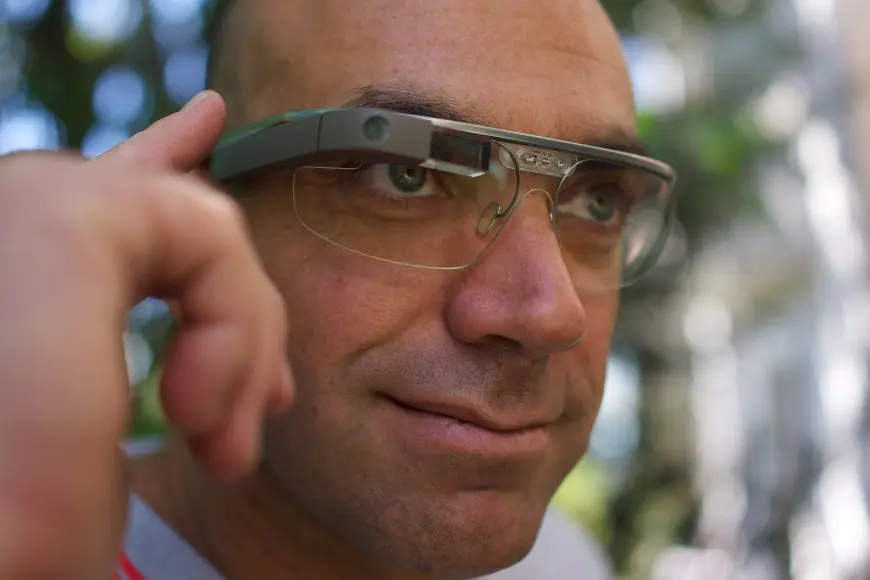
Google is putting a camera, a microphone and Gemini on your nose again, and this time it is asking you to pay for the privilege up front. Preorders opened on Thursday for the first intelligent eyewear built with Warby Parker, Gentle Monster and Samsung, starting at $395, with the glasses due in stores and online on December 10.


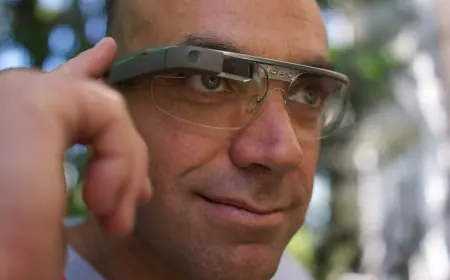
The company announced the lineup in a post from Shahram Izadi, Google's VP and GM of XR. Warby Parker and Gentle Monster design the frames, Samsung supplies the hardware inside, and Google handles the software, according to Ars Technica. There is no screen in the lenses. You say "Hey Gemini" or tap the frame, and the assistant talks back through open-ear speakers.
Warby Parker's three styles, called Alden, Reid and Wren, come in optical or sun versions starting at $395 in Pine, Saddle and Jet Black, with prescription, width and lens options. Google says shoppers can book a guided demo at more than 360 Warby Parker stores. Gentle Monster offers six designs in dark red, pink, gray and yellow, starting at $449. Those are floor prices. Ars notes they include non-prescription lenses, so anyone who actually needs glasses should expect to pay more.
Google's spec claims read well on paper. The company says the frames weigh around 41 grams, the battery lasts up to nine hours, and the charging case can top them up as many as seven times. Google's own footnotes say battery life varies by use and settings, and nobody has independently tested any of it yet.
The privacy pitch is the real product
The headline feature is a 12-megapixel ultra-wide camera, exactly where smart glasses got into trouble in the Google Glass days. Google knows it, and spends as much of its announcement on promises as on features.
"When technology can see the world around you, it has a responsibility to the people around you, too." Google, intelligent eyewear announcement
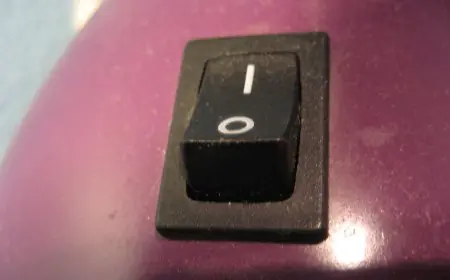
According to Google, camera visuals sent to Gemini from the glasses are not saved in Gemini History and are not used to train AI models or target ads. The company says the glasses are designed to blur bystanders' faces automatically before Gemini processes those visuals. Google also says an indicator light comes on when you take a photo or video, that the glasses are designed to stop recording if that light is covered or disabled, and that every pair has a physical off switch.
Ars Technica added less flattering details. Google told the outlet that voice interactions through the glasses do not get the same protection as camera visuals, though you can delete chats from your Gemini history. Data is encrypted on the glasses and in transit but not on Google's servers, Ars reported. Google also says it will not allow live streaming to social media from the glasses and has ruled out real-time facial recognition. All of this is company policy and design intent, not the result of an outside audit.
The other limit is who can buy in. Google says the glasses only work with Google accounts from the United States and South Korea, and the account must belong to someone 18 or older. The phone list is short. Google names Pixel 7 series and newer on the Android 17 September 2026 update, Samsung Galaxy S, S FE and Z Fold, Flip and Fold Ultra phones on One UI 9.0 or higher, and iPhone 13 Pro and later. Ars notes that cheaper Galaxy phones and every other Android maker are left out at launch, and that Warby Parker is only selling the glasses in the US.
Meta has had a head start here with its Ray-Ban glasses, and in September it even tried a camera-free pair. Google is betting the other way.
Whether it works depends on Gemini as much as on the frames. Ars reviewer Ryan Whitwam wrote that the chatbot still regularly gets simple things wrong in his testing, like adding calendar appointments or identifying objects in images. A phone at least lets you check its work. Glasses with no screen do not, which makes $395 a big bet on an assistant that still trips over a calendar invite.