
























Pony Ma Wants Half of Tencent Sailing Into AI, and the Company Says It Is Not a Layoff
Tencent founder Pony Ma reportedly told staff he would redeploy half of them toward AI-native work, and social media heard mass layoffs. Tencent's PR director says the 50 percent layoff claim is completely untrue and the army-and-navy talk was largely a metaphor.

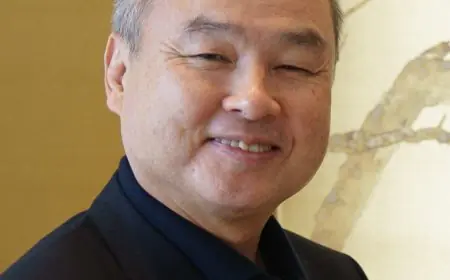
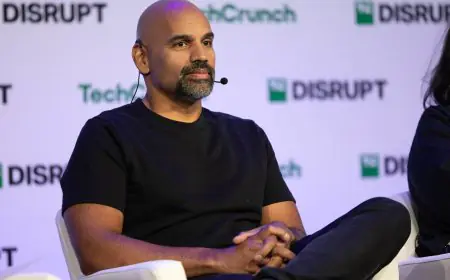
Pony Ma is a founder who usually shuns the limelight, The Edge notes. His anniversary speech leaked anyway, got garbled on the way out, and by Thursday Tencent had a PR director on Weibo explaining that half the company is not, in fact, being fired.


The source of the fuss is Ma's annual anniversary address to staff, delivered during Tencent's Linktime livestream on Wednesday as the company turned 28. According to people with knowledge of the event, cited in a Bloomberg account carried by The Edge Malaysia, Ma told employees the industry had entered an "Age of Discovery" and compared Tencent's core businesses to an army and its new AI efforts to a navy.
"The army must leverage AI to maximise its efficiency, while we redeploy 50% of our personnel to the navy to support AI-native businesses." Pony Ma, as quoted by people with knowledge of the speech
Read in context, that is a rallying cry. The same people said the remarks came across more as a push for every employee to use AI than as a sweeping overhaul, with half of Tencent squeezing more out of existing operations and the other half hunting for new growth. Ma, 55, also called for a nimbler structure with less middle management, where individual contributors could step up, they said. A Tencent spokesperson did not respond to an emailed request for comment, The Edge reported.
Read on Chinese social media, "redeploy 50%" became "cut 50%." Global Times reported that claims of a half-workforce layoff, including derivative reports of as many as 8,000 job cuts, spread widely after the event. Traffic reportedly got heavy enough to cause temporary access problems in Tencent's employee discussion group on the networking platform Maimai, and a hashtag about the rumor crashing the group reached Weibo's trending list, according to Lianhe Zaobao.
The denial
Tencent PR director Zhang Jun took to Weibo on Thursday to shut it down. In his telling, as reported by Lianhe Zaobao, management used the livestream to signal its resolve to speed up organizational change. Half of employees would act like an army, holding their ground and running the core businesses more efficiently. The other half would act like a navy, riding the wave, exploring AI-native businesses and opening new room for growth.
Zhang called this a reallocation of company resources to fit the AI era. The army-and-navy framing, he said, was more of a metaphor than anything, and probably where the misreading came from. The claim of a 50 percent layoff, he wrote, is "completely untrue" (a translation of his Chinese post). A source familiar with the matter told Global Times the same thing: the remarks described moving resources around, not halving the headcount.
That denial is specific, and it is worth taking at face value until there is evidence otherwise. It is also narrower than it looks. Nobody at Tencent has said which teams make up the navy, how many people will actually change jobs, or when. Tencent had 115,927 employees as of June, up from 111,221 a year earlier, according to The Edge. Half of that is a lot of people to send to sea on a metaphor.
The flattening line is the part to watch. Global Times reported that management framed this push as different from earlier cost-cutting drives, which it described as reactive, and said the goal now is efficiency, frontline initiative and a flatter, more agile middle layer. Fewer managers is not a layoff announcement. It is not nothing either, and it explains why staff were primed to hear the worst.
There is real anxiety behind the overreaction. The Edge noted that China has not yet seen the kind of AI-linked mass layoffs that hit Meta and Amazon, and the West keeps supplying examples, from Barclays, which is cutting 5,000 jobs and calls AI the icing on the cake. When a founder says "redeploy" and "50%" in one breath, employees reach for the darker reading first.
For now, Tencent's official line is that it wants an army and a navy, not a smaller force. The company has given its people a slogan. It has not yet given them a map.