







































Meta Just Launched Camera Free AI Glasses and What It Means for Wearable AI
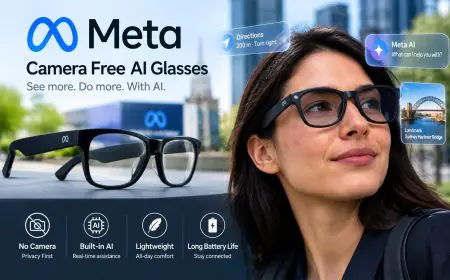
Meta unveiled the Ray-Ban Meta Audio, its first camera-free AI glasses, at Connect 2026, alongside the camera-equipped Ray-Ban Meta Gen 3 with a 12MP sensor and 3K video, as the company splits its wearable lineup between privacy-conscious audio-only design and full recording capability.
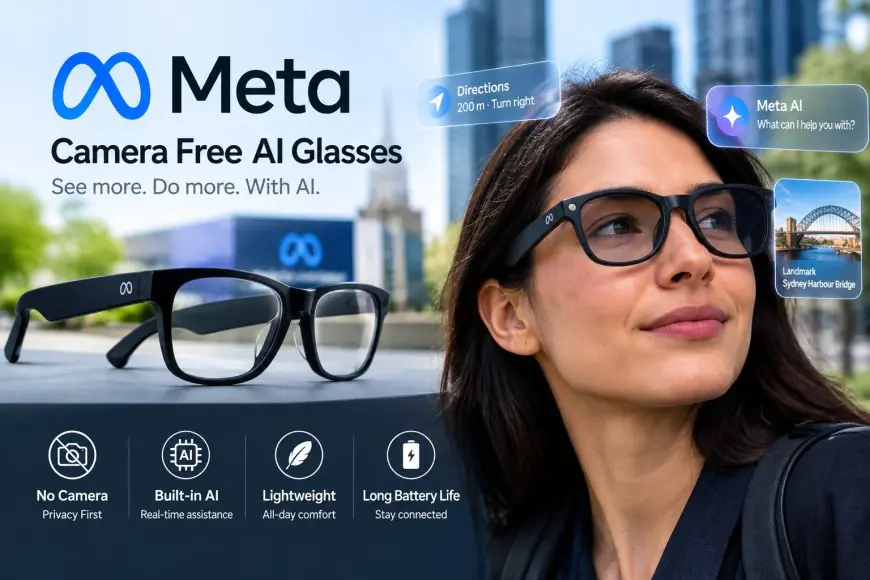
Meta just gave people worried about being secretly filmed a new option — glasses that simply can't do it. At Connect 2026, the company unveiled the Ray-Ban Meta Audio, its first camera-free AI glasses, alongside the next-generation Ray-Ban Meta Gen 3, its camera-equipped flagship, splitting its wearable AI lineup into two distinct pitches for the first time.


Ditching the camera let Meta rethink the entire design rather than just remove a component. Weighing just 43 grams, the Audio model is noticeably lighter than its camera-carrying siblings, and Meta used the freed-up space for battery instead. A few specs define what each model actually offers:
- Ray-Ban Meta Audio runs up to 12 hours per charge, extending to 48 hours with its included charging case, and comes in 23 color and lens combinations across two new frame styles, priced at $349
- Ray-Ban Meta Gen 3 keeps its 12MP camera and 3K Ultra HD video, adds a six-microphone array for noise reduction, and ships with a new AI-triggering action button, priced at $449
- Both lines run on Meta's personal AI agent Muse, and Gen 3 gains a "Hearing Enhancement" feature that boosts nearby speech for an additional fee
The camera-free option is a direct answer to a reputational problem Meta has been fighting for years — smart glasses nicknamed "pervert glasses" by critics worried about covert recording, even with Meta's tamper-resistant recording light.
CEO Mark Zuckerberg framed the audio-only bet as a lifestyle habit rather than a compromise, saying at the keynote, "Once you get used to high quality audio, it's just a thing that you want all the time, right?"
Meta isn't abandoning cameras — Gen 3 remains available and gets real upgrades — but by launching both at once, the company is betting that AI glasses adoption grows fastest when people can choose their own comfort level with being recorded, rather than accepting one fixed trade-off.