

















Tesla's Wheel-Free Cybercabs Hit Austin Streets, Draw Federal Safety Probe
Just hours after Tesla began charging for rides in its wheel-free, pedal-free Cybercab in Austin, federal regulators opened an audit into how the company certified the vehicle as road-legal, raising fresh questions about self-certification rules for driverless cars.
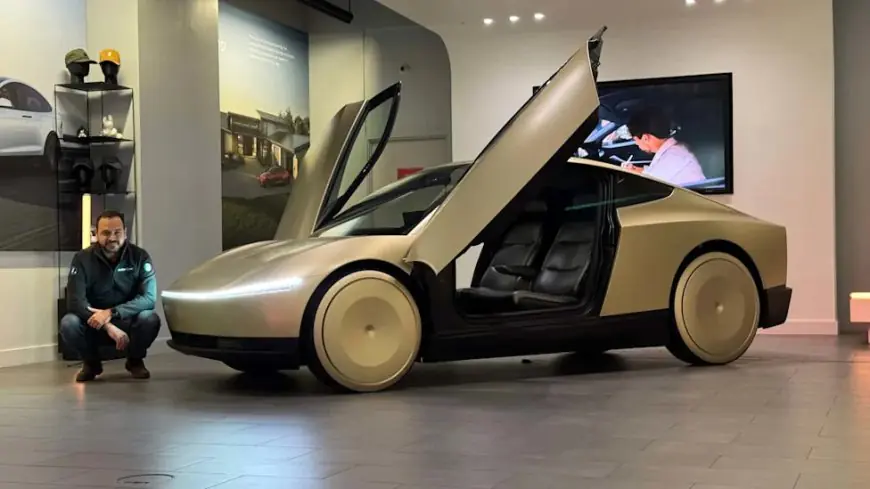
Tesla's driverless ambitions just collided with federal paperwork. On September 3, the company quietly started commercial rides in its two-seat Cybercab across Austin, Texas — a vehicle built without a steering wheel, pedals, or mirrors.


Within hours, the National Highway Traffic Safety Administration opened an audit query, asking a blunt question: how exactly did Tesla decide this car meets rules written for vehicles with human drivers?
The mechanics of the dispute matter more than they sound. American automakers are allowed to self-certify that their vehicles satisfy Federal Motor Vehicle Safety Standards, rather than seeking government approval before hitting the road.
That system works fine until a company builds something the rulebook never anticipated. Tesla apparently concluded that several standards simply don't apply to a car with no human controls — and regulators now want to see the reasoning behind that call. A few things stand out about why this probe carries weight:
- It covers roughly 1,000 vehicles, even though only a small fleet is currently running rides
- There's direct precedent: NHTSA ran a nearly identical audit on Amazon's Zoox robotaxi in 2023
- It lands atop an existing NHTSA probe into Tesla's Full Self-Driving software covering 3.2 million cars
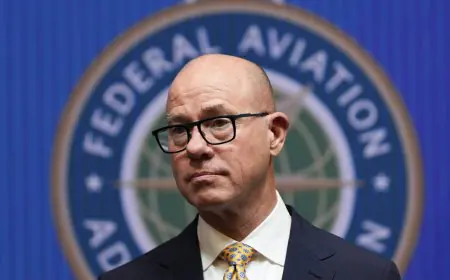
NHTSA administrator Jonathan Morrison struck a measured tone, saying the agency wants an approach that "balances innovation with safety oversight." That framing matters for the entire robotaxi industry, not just Tesla — Waymo, Zoox, and others are watching closely, since the outcome could reshape how regulators treat any vehicle that removes the driver's seat entirely.
For Tesla, the timing stings: the company had hoped Cybercab would signal a turning point in its robotaxi ambitions, not another headline about federal scrutiny arriving on launch day.