




























Google Nvidia and Anthropic Are Betting on Smarter Power Grids
Grid software startup Emerald AI has formed the AI Energy Management Alliance with Google, Nvidia and Anthropic, aiming to free up 100 gigawatts of existing US grid capacity for new data centers through real-time demand response rather than new power plants.
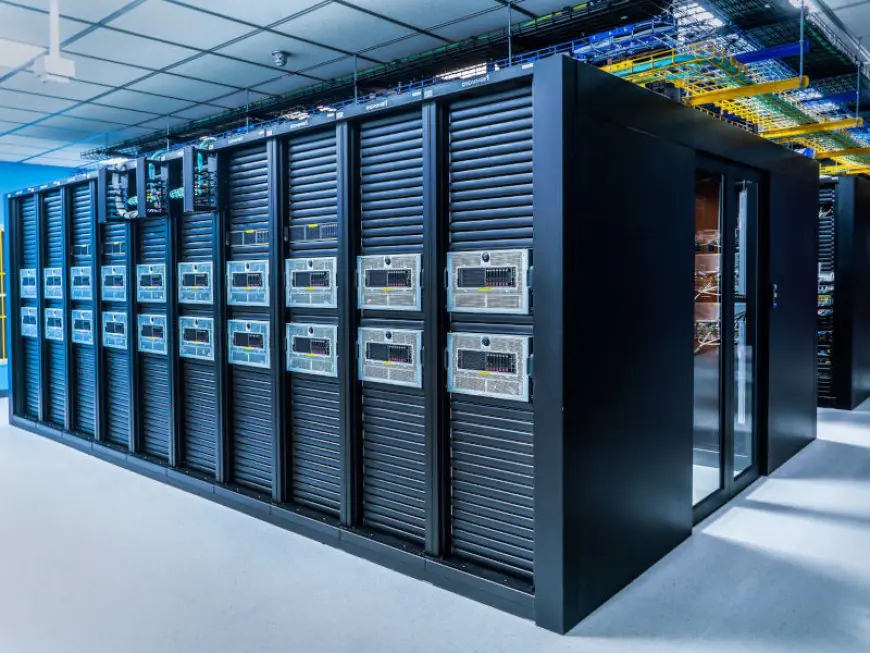
The AI industry's power problem just got a coalition built specifically to solve it without building a single new power plant. Grid software company Emerald AI announced on September 17 that it has formed the AI Energy Management Alliance (AEMA) with Google, Nvidia and Anthropic, betting that smarter scheduling, not more generation, is the faster fix for AI's electricity bottleneck.

The pitch rests on a single number: pausing noncritical compute tasks and shifting workloads to sites with spare grid headroom could unlock roughly 100 gigawatts of capacity that's already sitting unused most of the year, since grids are built for peak demand rather than average load. A few details define how the alliance actually works:
- Founding utilities include AES, Constellation, National Grid and NRG Energy — without them, AEMA would just be tech companies agreeing among themselves to be flexible
- Emerald AI's software connects utilities directly to data centers, letting facilities respond to grid requests "much like batteries"
- A separate Goldman Sachs study found that capping grid usage at 90% for a few hours at a time could alone free up 76 gigawatts
Anthropic's presence is the detail worth pausing on. It's the only member that's purely a model developer — not a chipmaker, hyperscaler, or utility — which one analysis called "the clearest signal that frontier labs now treat grid access as a strategic constraint" rather than someone else's infrastructure problem.
Still, Emerald AI's own chief scientist, Ayse Coskun, was careful not to oversell the fix: more flexible demand can reduce pressure and lessen the need for new generation, but it doesn't eliminate the years-long queue for new transmission and distribution infrastructure that AI's power crunch ultimately depends on.