



































Automattic Launches Spacefast to Host AI Vibe Coded Apps
WordPress.com parent Automattic launched Spacefast, a backend platform that gives databases, logins and storage to AI generated apps, TechCrunch reports. It competes directly with Lovable and Emergent for enterprise customers.
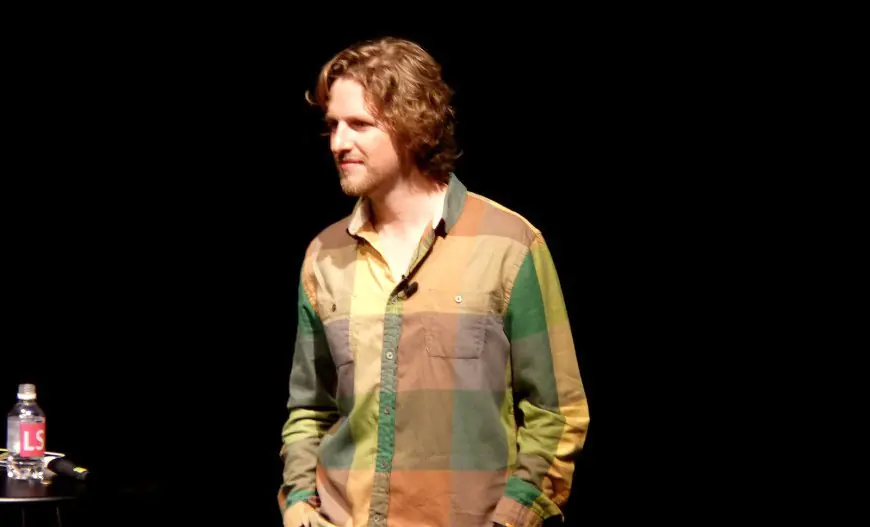
Automattic, the parent company of WordPress.com, launched a new product Monday called Spacefast that provides backend infrastructure, including databases, authentication and file storage, for websites and apps built with AI coding tools, TechCrunch reported.


The product targets so-called vibe-coded projects, apps and sites built largely by describing what they should do to an AI chatbot rather than writing code directly. Spacefast can connect to a range of AI tools, including ChatGPT, Claude, Grok, Cursor and OpenCode, or to a Git repository directly, according to TechCrunch. It puts Automattic in direct competition with Lovable and Emergent, two startups that have built similar app-generation platforms.
Batuhan Icoz, who leads the Spacefast product at Automattic and previously worked on the company's Beeper messaging app, said the idea came from watching people build AI-generated sites without a way to make them fully functional.
"I thought there had to be a better way for everyone to set up and deploy their projects. Automattic already has good infrastructure, but we have been traditionally associated with just WordPress." – Batuhan Icoz, Automattic, to TechCrunch
The project started at an internal company hackathon under the name Stattic before being renamed Spacefast, TechCrunch reported. Automattic soft-launched it in September to gather feedback before Monday's full release. Icoz said the company plans to lean on its existing products, including web analytics and WooCommerce's e-commerce tools, to differentiate Spacefast for business customers managing many AI-generated pages at once.
"For enterprises, the problem right now is IT sprawl, as their marketing teams are churning out landing pages on services like Lovable, and they want to consolidate and work with a company that understands the enterprise needs," Icoz told TechCrunch.
The launch comes as Automattic works through a difficult stretch. TechCrunch has reported that chief executive Matt Mullenweg was briefly forced out by the company's board earlier this year before being reinstated within days, after which the board was replaced and the interim chief financial officer departed. The company has also cut staff across several of its properties in recent months, according to TechCrunch's earlier reporting.
Automattic did not disclose pricing, user numbers or revenue projections for Spacefast. TechCrunch did not report whether the product has signed any enterprise customers since its September soft launch. Icoz told the outlet that the team's main focus now is retention, saying the product needs to make results "so much better than without Spacefast" to keep users building on it rather than switching to a competitor.
The AI app-building market Spacefast is entering has grown crowded over the past year, with Lovable, Emergent and others raising venture funding on the strength of the same pitch: that AI tools have made writing an app's front end trivial, while hosting, logging in users and storing their data remain the harder, less visible problem. TechCrunch also named Figma, Canva and Notion as adjacent competitors for the simpler mockups and internal pages Automattic cited as early Spacefast use cases, including an internal game and a mock streaming-style video page built by employees. Automattic's bet is that owning that backend infrastructure, rather than the chatbot generating the code, is where it can compete, drawing on a content delivery network and hosting business it has run since well before generative AI existed. Icoz said he began questioning why developers should rely on outside vendors at all: "Why do I have to use Cloudflare when we have a CDN just as good?" he told TechCrunch, describing the thinking that turned the hackathon project into Spacefast.