





















Anthropic Internal Code Leak Impacts Enterprise Trust in AI Developer Tools
Anthropic confirms a significant source code leak for Claude Code following a public npm packaging error, raising urgent questions about security protocols within the world's leading AI safety labs.
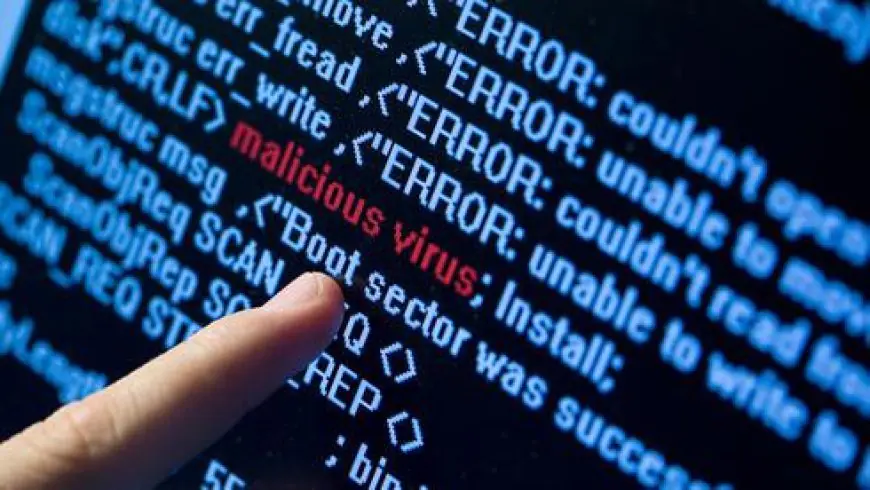

In a world where AI safety is often treated as a brand promise rather than just a technical hurdle, Anthropic has found itself in the middle of a self-inflicted security storm. The company recently confirmed that internal source code for Claude Code—its highly anticipated CLI tool and coding assistant—was inadvertently exposed to the public. The culprit wasn't a sophisticated state-sponsored hack or a malicious insider, but a surprisingly common developer oversight: an npm packaging error.
For a company that has positioned itself as the "safety-first" alternative to its peers, this slip-up is more than just a technical glitch; it is a significant brand challenge. The leak occurred when internal files, which were never intended for public eyes, were bundled into a package uploaded to the npm registry. By the time the mistake was rectified, the code had already been mirrored and analyzed by eagle-eyed developers across the globe.
The Mechanics of a Modern Packaging Fail
How does a multi-billion dollar AI lab accidentally ship its proprietary secrets? In the fast-paced world of modern software distribution, the line between "internal build" and "production release" is often managed by automated scripts. In this instance, it appears an exclusion rule in the packaging configuration was either missing or improperly defined. This allowed sensitive logic, comments, and internal architectural maps of the Claude Code tool to be visible to anyone with a terminal and an internet connection.
While Anthropic was quick to pull the affected versions and issue a statement downplaying the risk to user data, the secondary effects are harder to scrub. The leaked code provides a rare, unvarnished look at how Claude Code interacts with local file systems and how it structures its prompts—the very "secret sauce" that makes AI coding assistants feel intuitive.
Why Enterprise Leaders Are Feeling Restless
This incident hits at a sensitive time for the industry. Large-scale enterprises are currently deciding which AI ecosystems to bet their entire infrastructure on. Security teams are already wary of "AI shadow IT," and a leak from a primary provider like Anthropic validates their fears. If the creators of the tools cannot perfectly secure their own distribution pipelines, how can they guarantee the sanctity of the proprietary code bases their tools are invited to "read" and "write"?
The fallout from this event is expected to trigger a wave of internal audits across the enterprise sector. Security officers are likely to move toward more "air-gapped" or locally hosted AI models, fearing that the convenience of cloud-based npm distributions comes with a side of unintended exposure. It’s a classic case of the "who guards the guardians" dilemma in the age of generative intelligence.
Looking Ahead: The Path to Recovery
Anthropic has already begun implementing more rigorous "pre-publish" checks to ensure this specific error never repeats. However, the broader lesson for the AI community is clear: moving fast and breaking things is a dangerous mantra when you are building the foundations of the next industrial revolution. For Claude Code to maintain its momentum, Anthropic will need to be incredibly transparent about its updated CI/CD protocols.
The core components of the recovery plan include:
- Enhanced automated scanning for all public-facing registry submissions to flag internal metadata.
- Mandatory multi-person sign-offs for any changes to packaging and distribution scripts.
- Third-party security audits specifically focused on the "human-in-the-loop" vulnerabilities within their release cycles.
Ultimately, this leak serves as a humbling reminder that even the most advanced intelligence on the planet is still delivered by human hands. While the code itself may be replaceable, the trust of a skeptical enterprise market is much harder to rewrite. Hence , the focus will likely shift from what these AI tools can do, to exactly how securely they are being delivered to our desktops.